Scientists from Three Countries Conduct BRICS Project Research on South Africa’s West Coast
02.09.2025
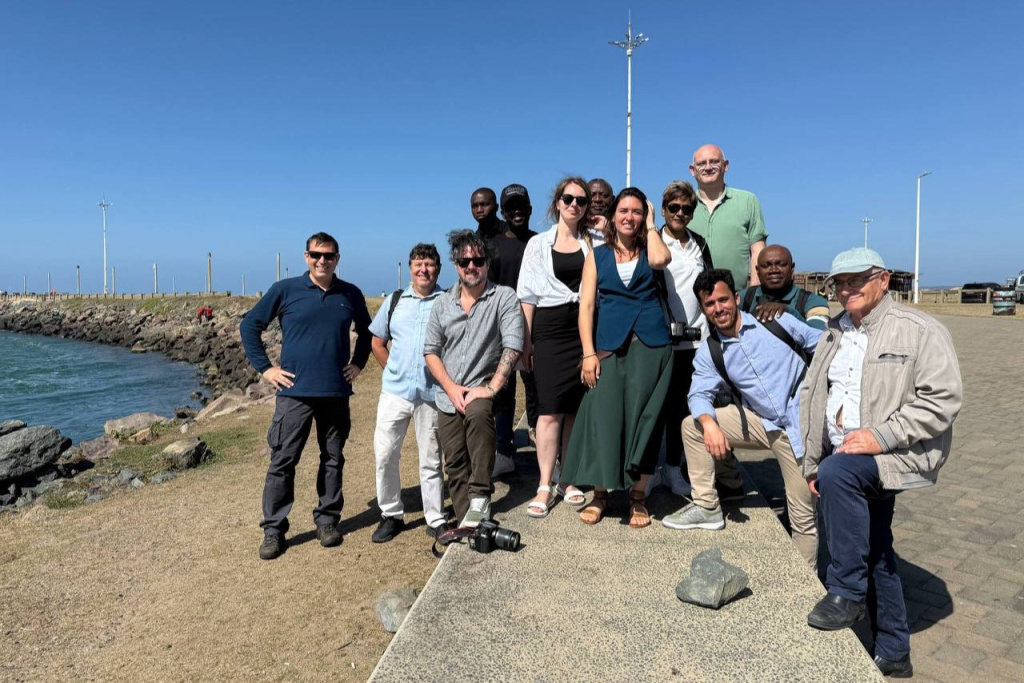
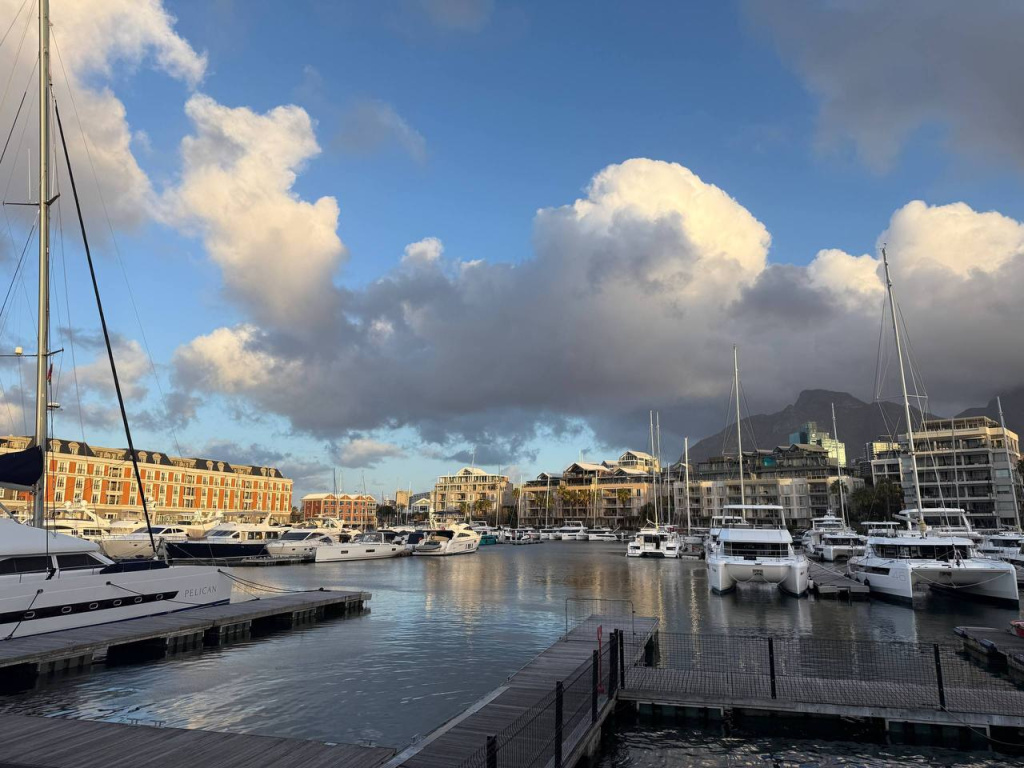
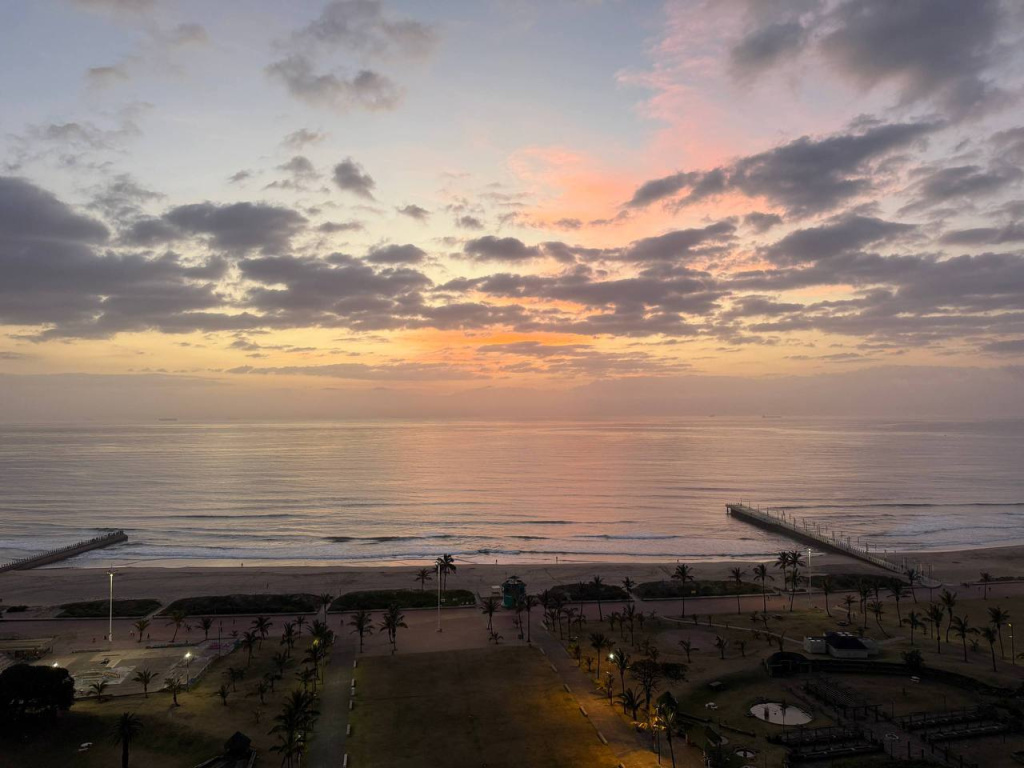
From 12 to 27 August, specialists from the A.O. Kovalevsky Institute of Biology of the Southern Seas of the Russian Academy of Sciences (IBSS) participated in a scientific workshop as part of the international BRICS project “Assessment of the Vulnerability of Tropical Coastal Ecosystems to Climate Change for the Adaptation of Natural Resource Management.” This year’s event took place in the Republic of South Africa, bringing together researchers from three countries: Russia (IBSS), Brazil (Federal University of Rio de Janeiro), and South Africa (Durban University of Technology).
The delegation included Dr. Roman Gorbunov, Director of IBSS and Doctor of Geographical Sciences, who serves as the project lead for the Russian team and international coordinator; Dr. Tatiana Gorbunova, Senior Researcher at the Laboratory of Landscape Ecology and Geomatics and Candidate of Geographical Sciences; and Maria Safonova, a researcher from the same laboratory.
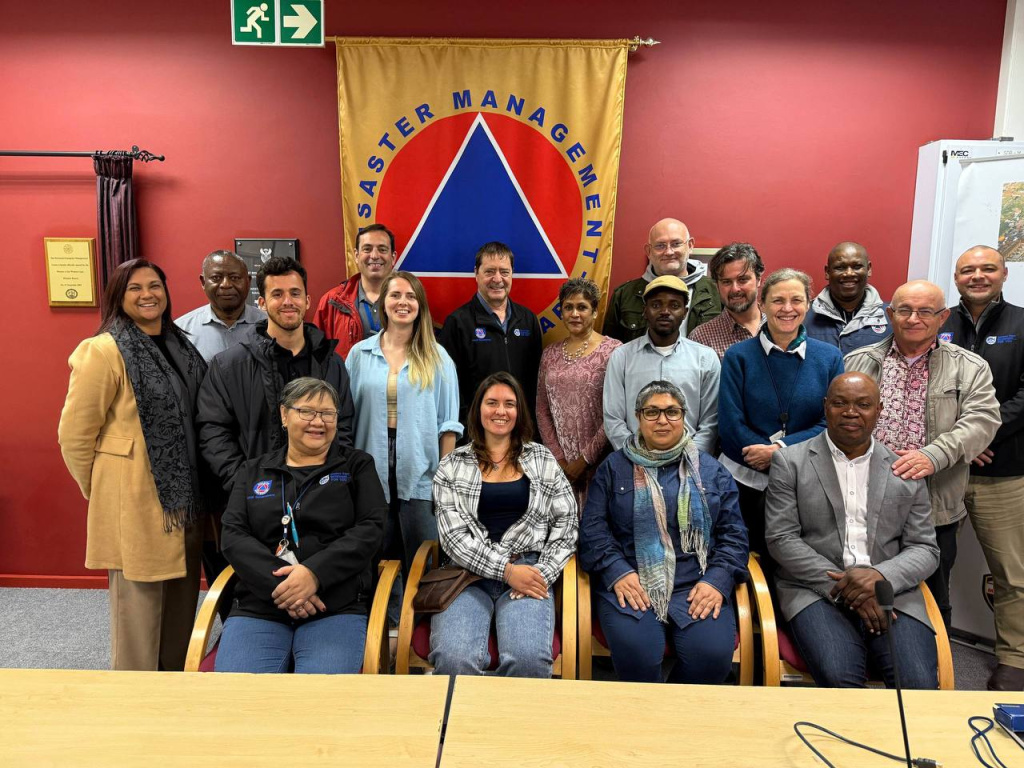
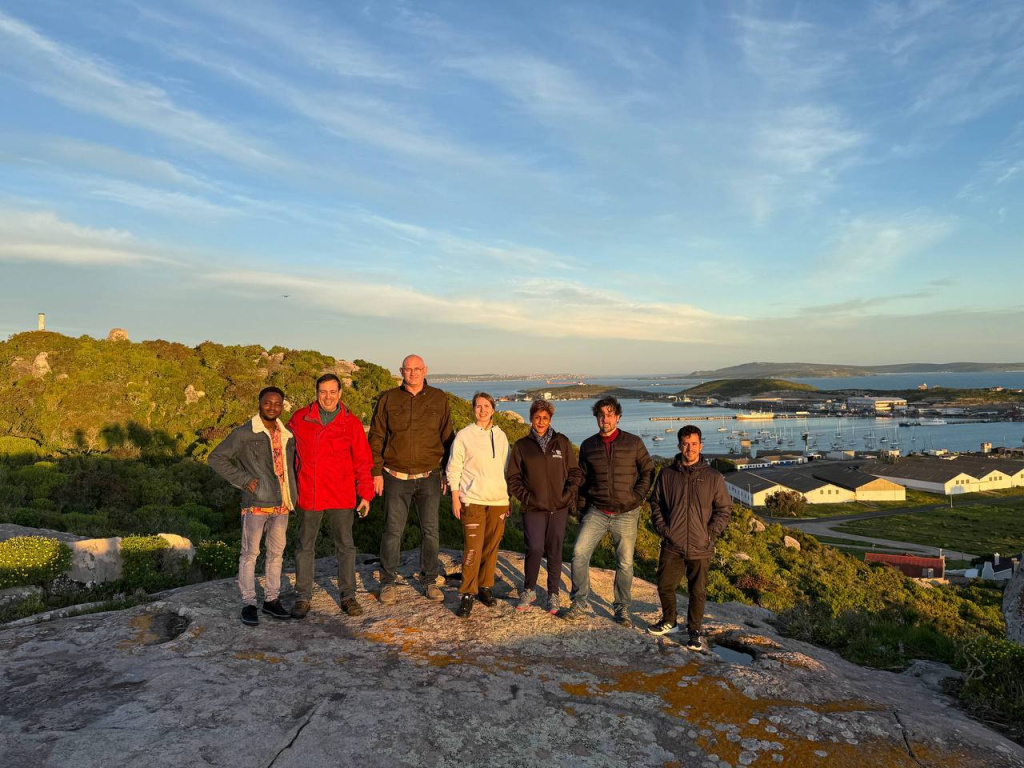
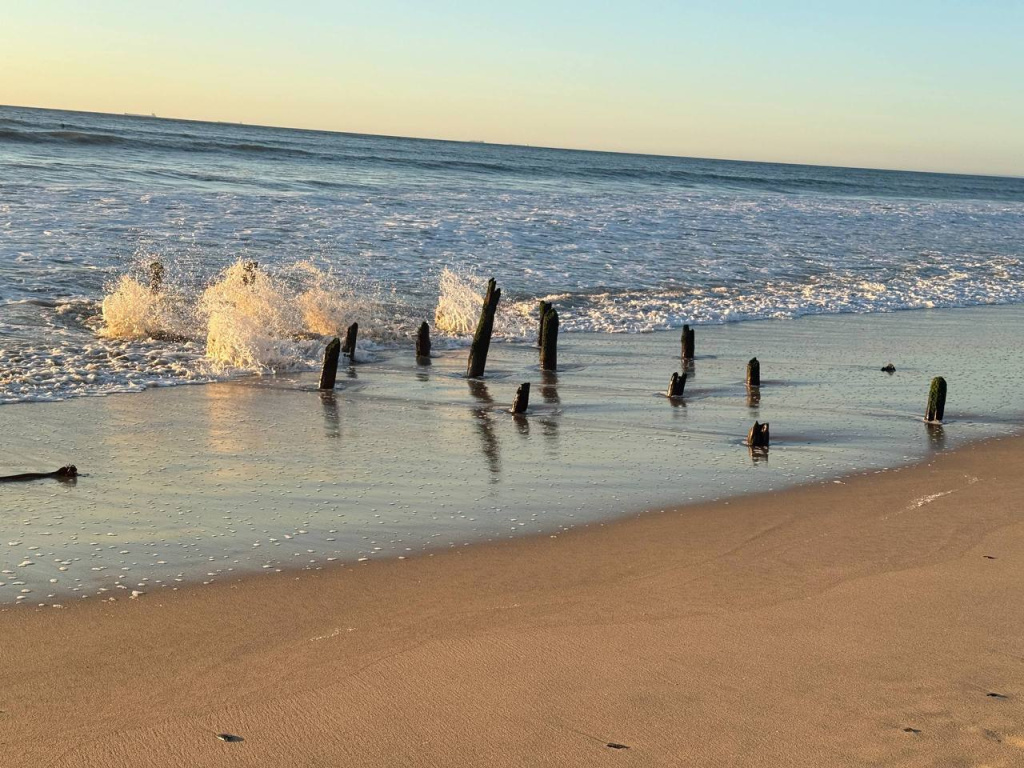
“The scientific workshop unfolded in several stages. First, we presented the results of our research alongside colleagues, discussed challenges encountered during the studies, and adjusted our objectives. Field trips were then conducted along South Africa’s west coast to examine the area in detail and assess the vulnerability of coastal ecosystems in this part of the country. A significant phase of the research involved visiting the West Coast Disaster Management Centre, which focuses on preventing hazardous situations and mitigating the consequences of disasters. Centre staff prepared a detailed report on the region’s challenges, its unique characteristics, and its susceptibility to dangerous climatic phenomena. During the field visits, project participants were welcomed by representatives of local municipalities, community members, and residents. Comprehensive information was provided about each site visited, including hazards, damage, and mitigation measures, accompanied by photographic documentation of key locations and descriptions of the characteristic vegetation,” reported Tatiana Gorbunova.
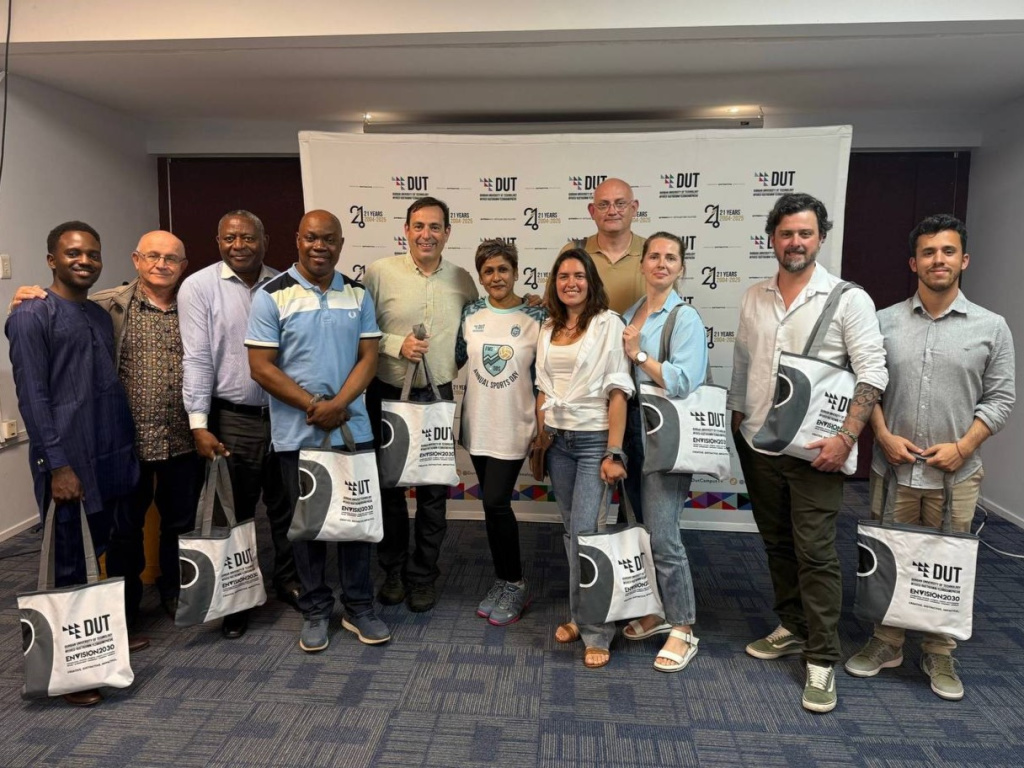
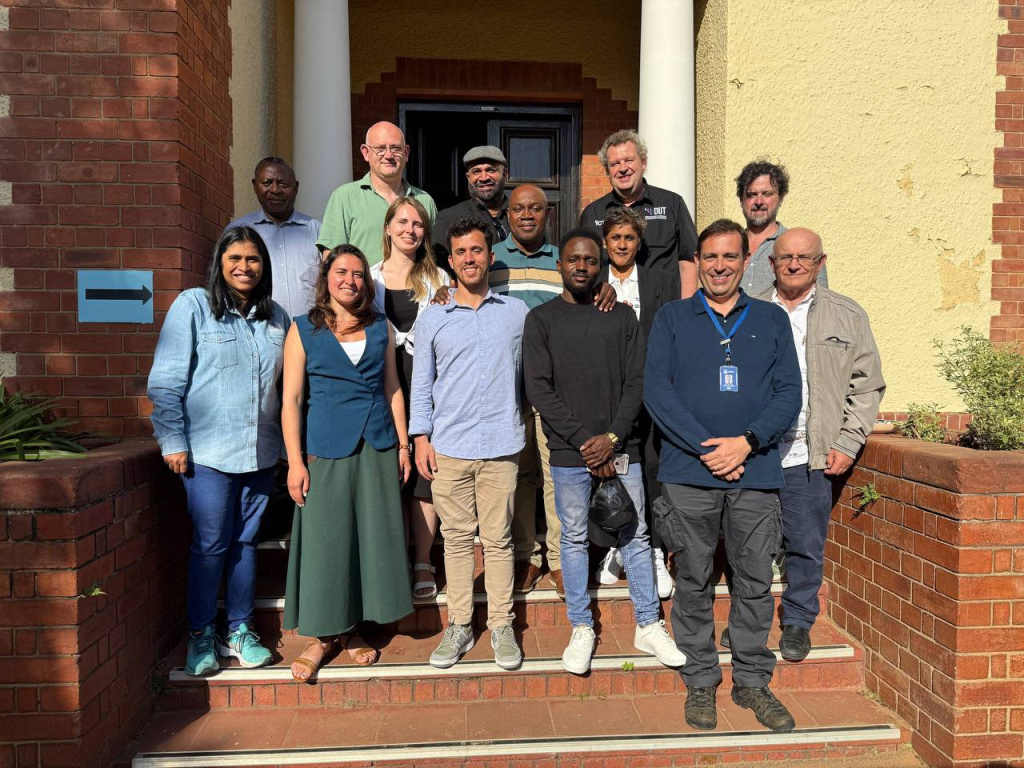
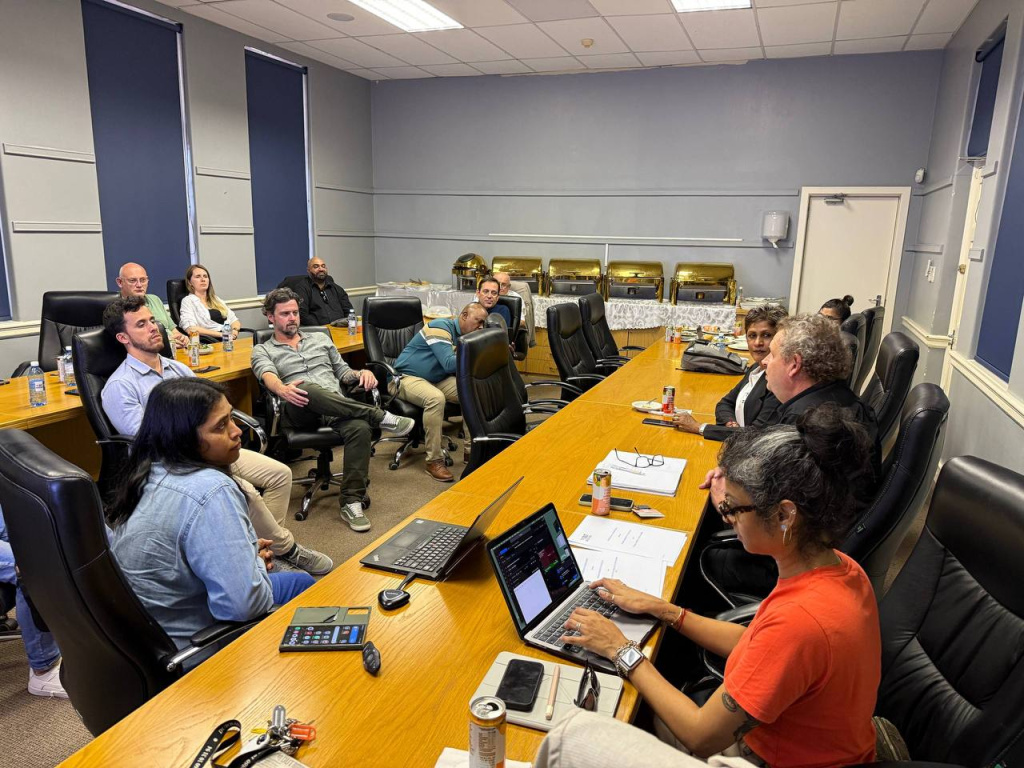
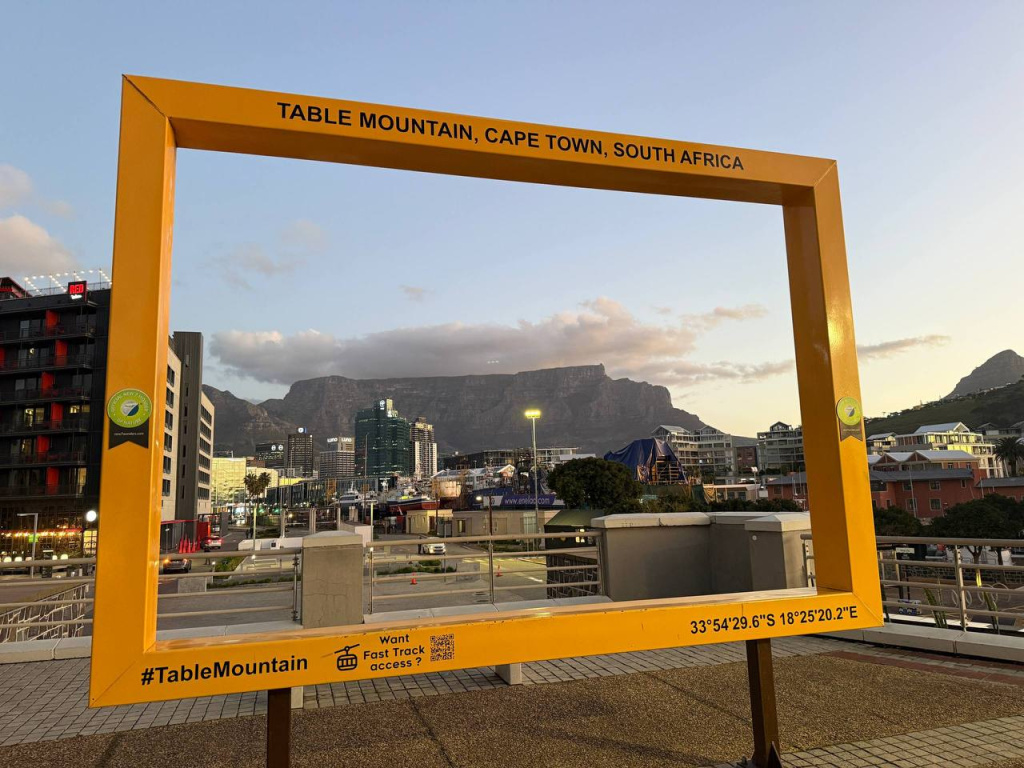
Workshop participants also visited the National Disaster Management Centre in Cape Town, which aims to facilitate the development of a comprehensive and coordinated emergency management system. Additionally, time was allocated to visit the Durban University of Technology, where participants familiarised themselves with the institution’s scientific potential and discussed future collaboration between Russia, Brazil, and South Africa.
“In my view, in-person workshops are an essential component of international cooperation. Only through face-to-face interaction can we address all the nuances of communication with foreign partners, including differences in terminology and methodologies. Visiting key research sites helps us accurately interpret the results of remote sensing calculations, which we use in our work. Last year, our international team successfully conducted similar research in Brazil,” noted Tatiana Gorbunova.
Background:
-
Research for this large-scale project has been underway since 2024 and is scheduled to run for three years, covering key areas in Russia, Brazil, and the Republic of South Africa. IBSS’s partners in the project are the Federal University of Rio de Janeiro (Brazil) and the Durban University of Technology (South Africa);
-
The project is implemented under the BRICS STI Framework Programme “Adaptation to Climate Change and Mitigation of Its Effects,” which supports outstanding research in critical areas where a multinational approach can yield the most significant results. The initiative aims to foster collaboration among scientists and institutions within consortia comprising partners from at least three BRICS countries;
-
The project is funded under Agreement No. 075-15-2024-657 of the Russian Ministry of Science and Higher Education.
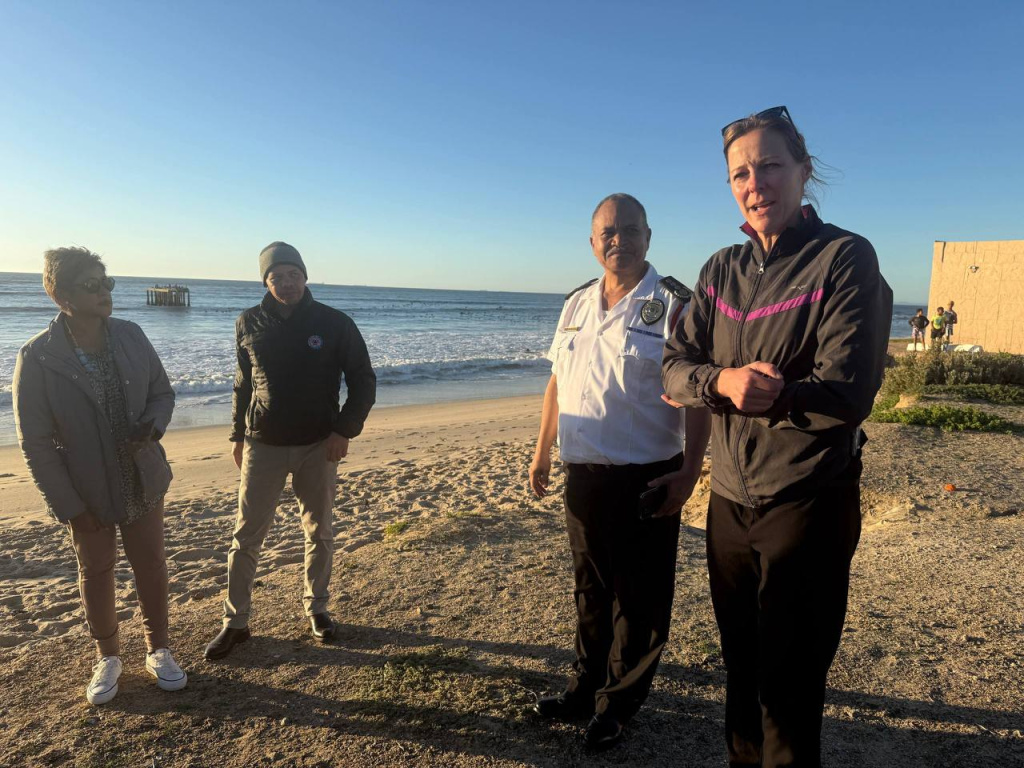
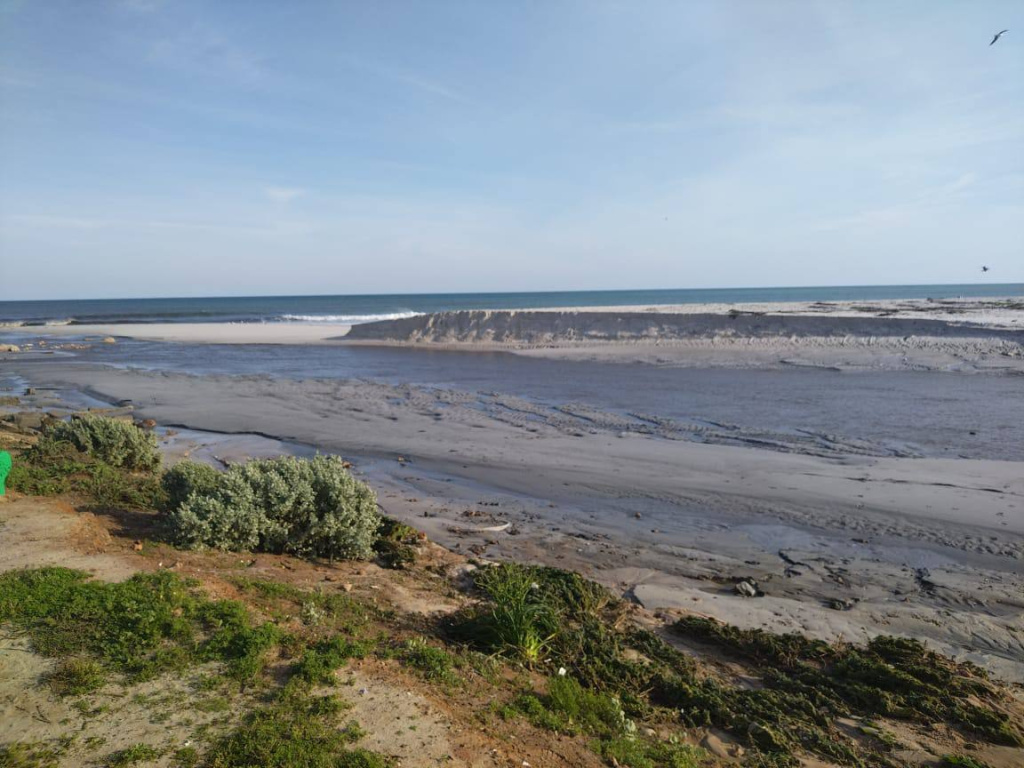
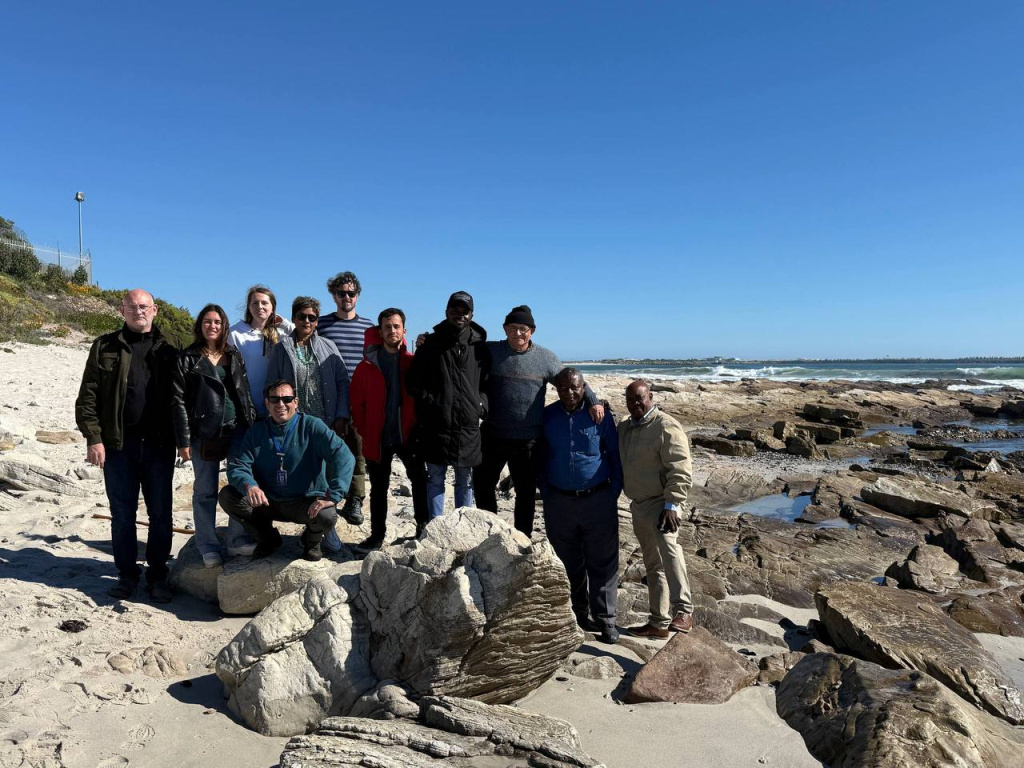
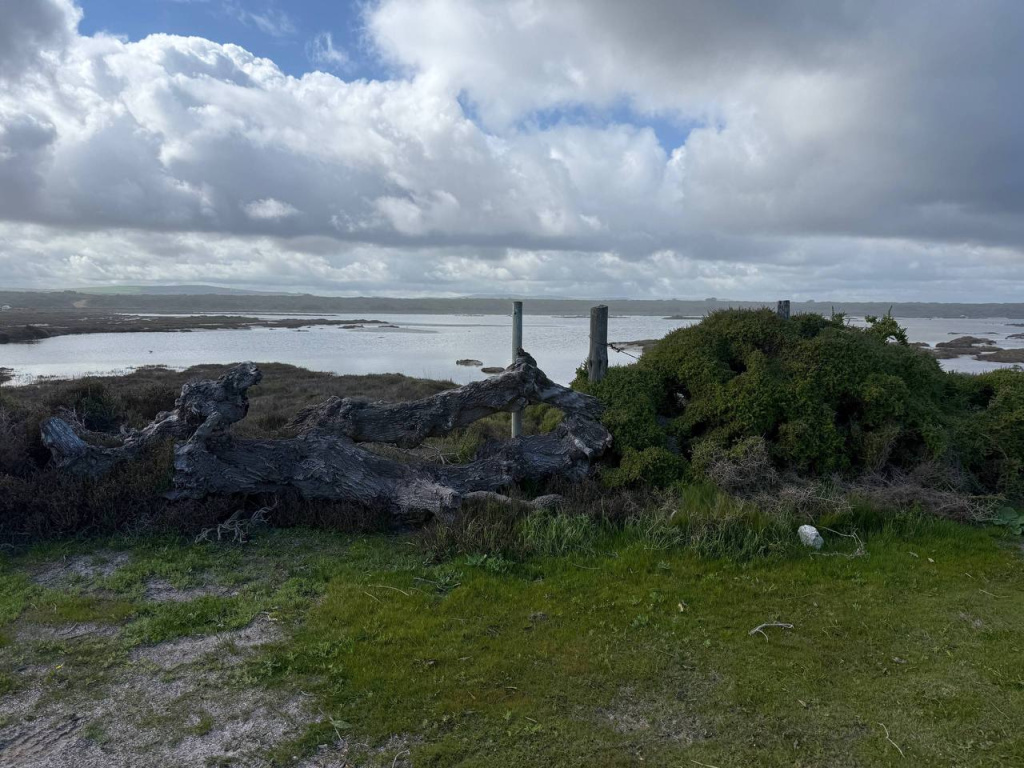
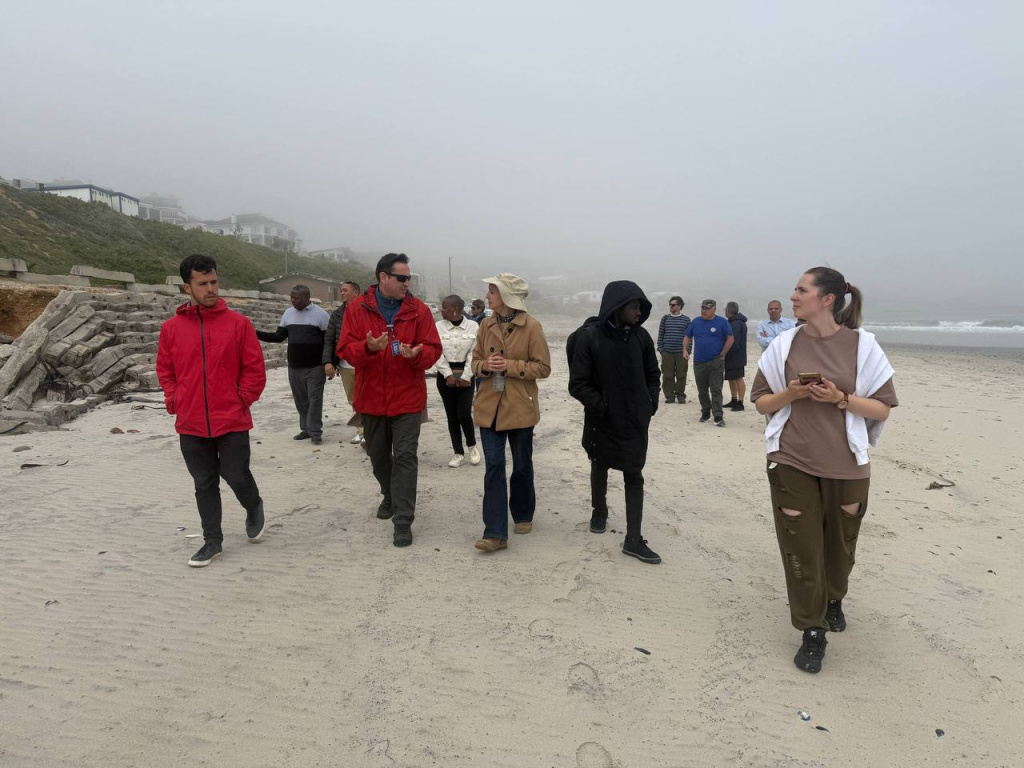
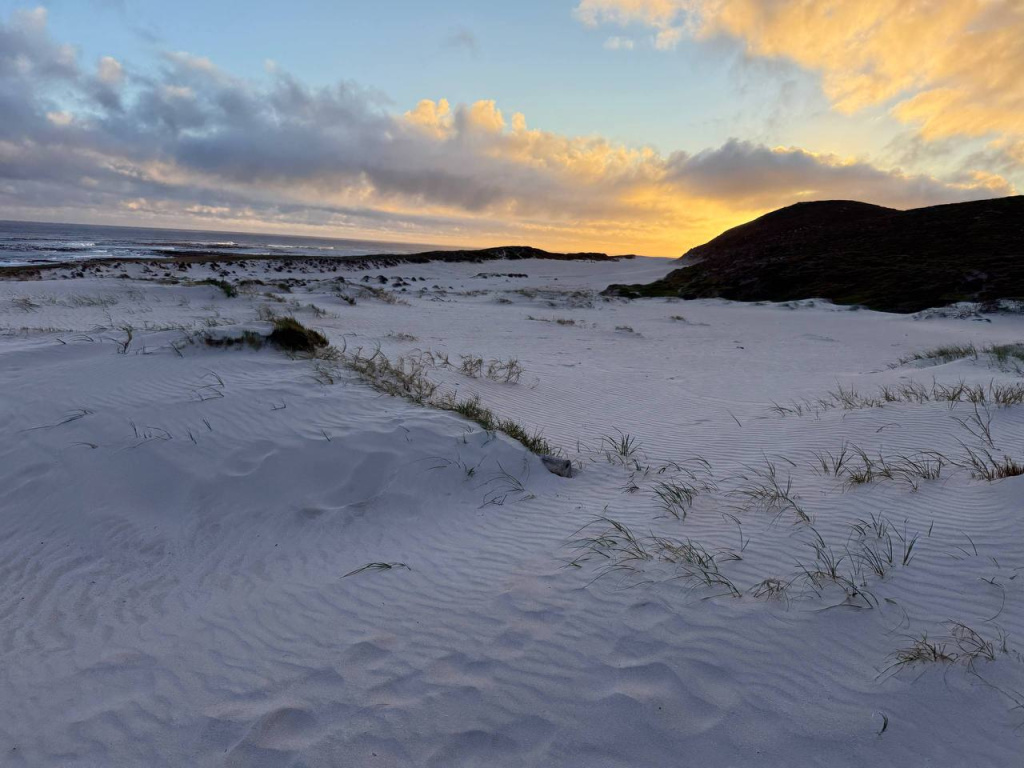
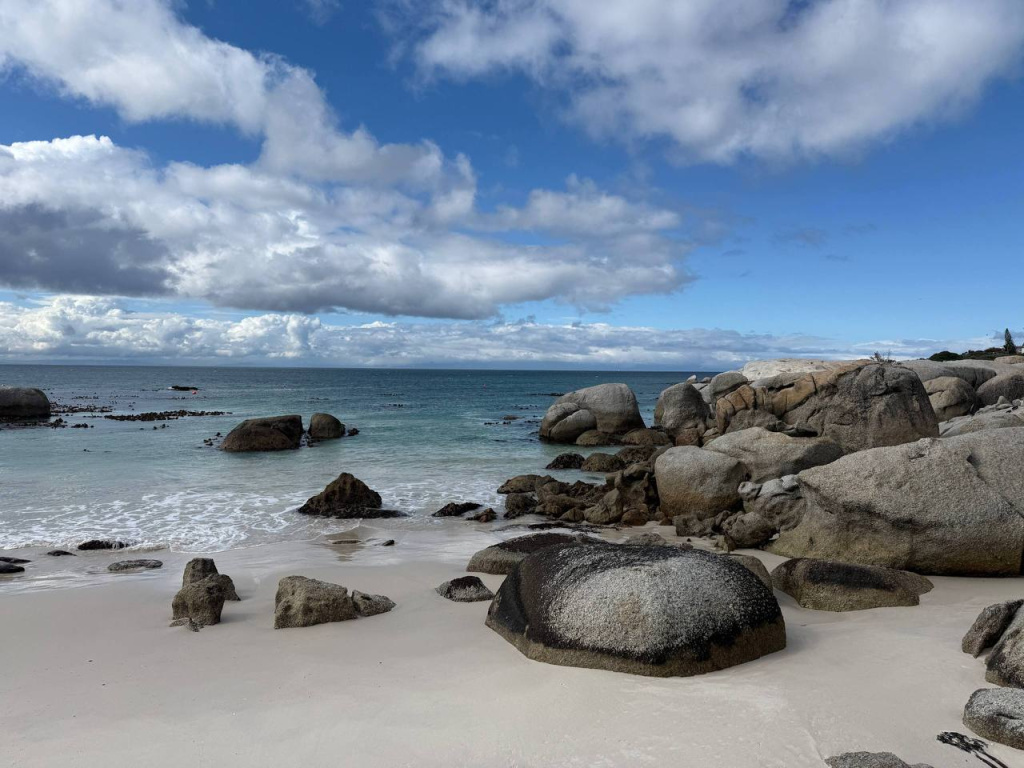
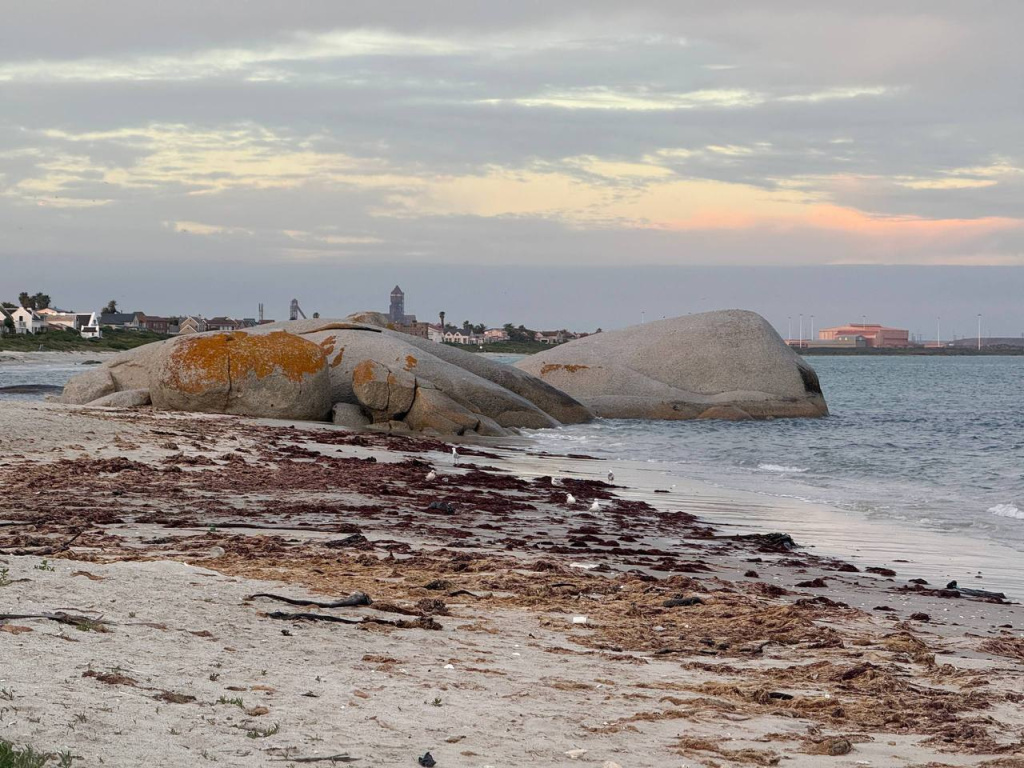
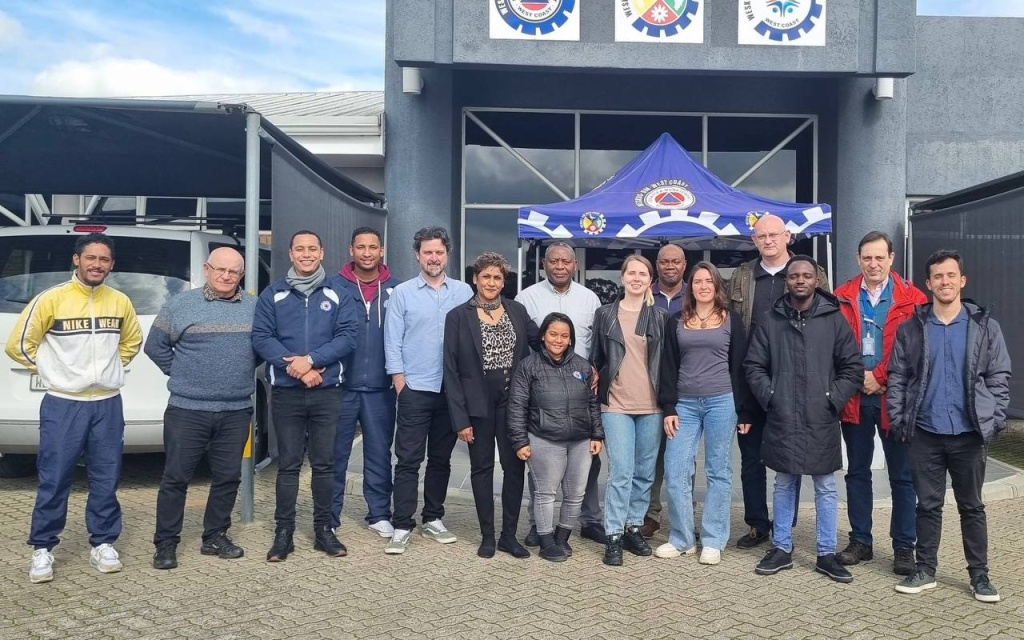
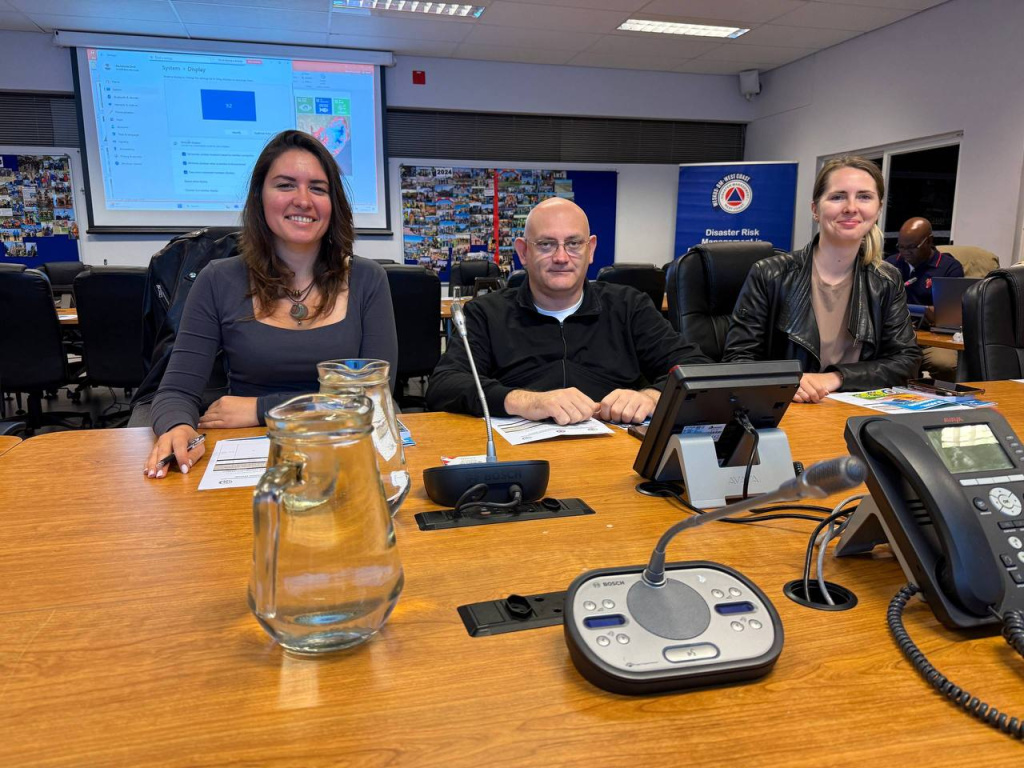
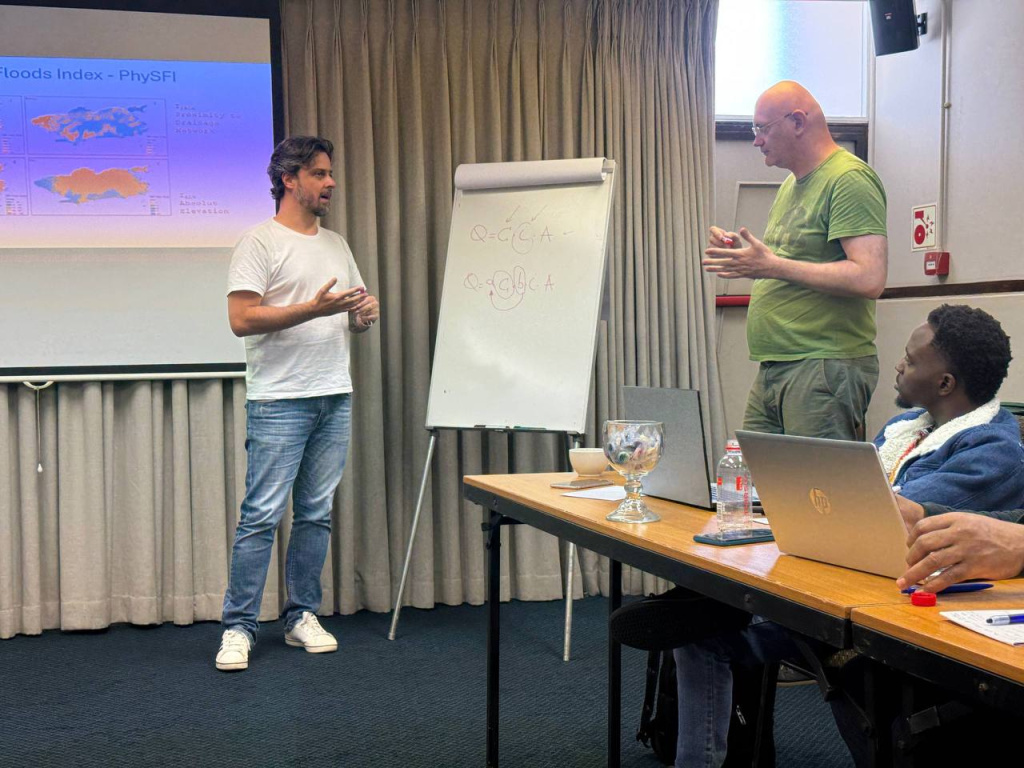
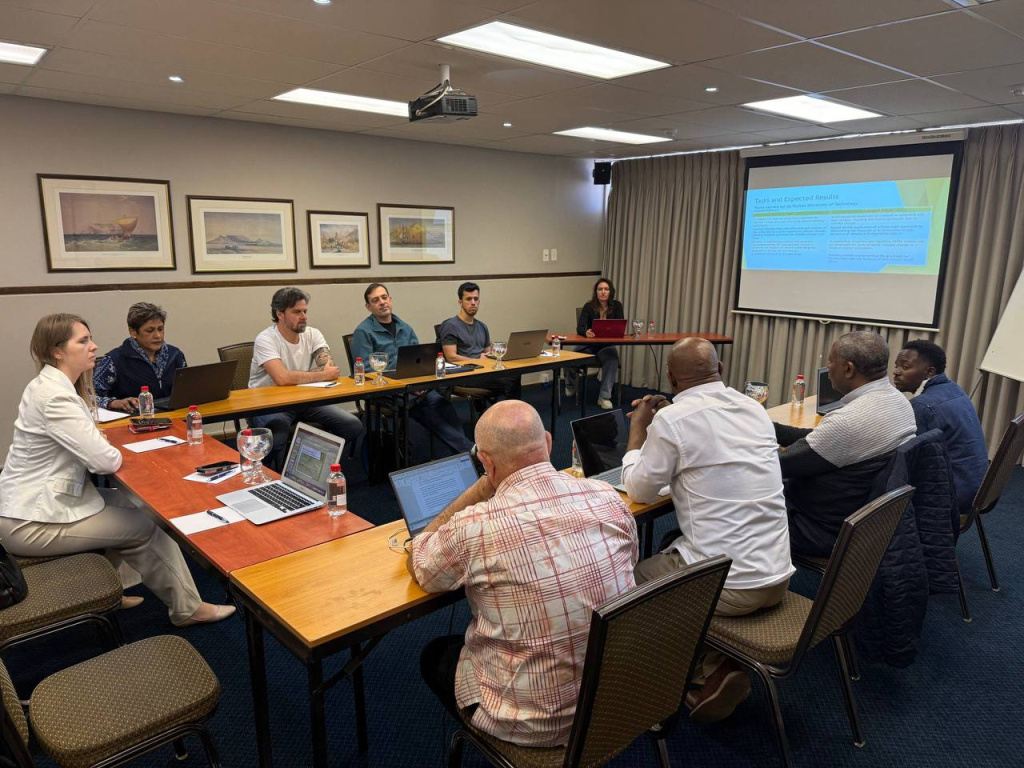
Photo: Tatiana Gorbunova