Vietnam: Sevastopol Scientists Uncover New Data on the Aquatic Fauna of the Dong Nai River
05.06.2025
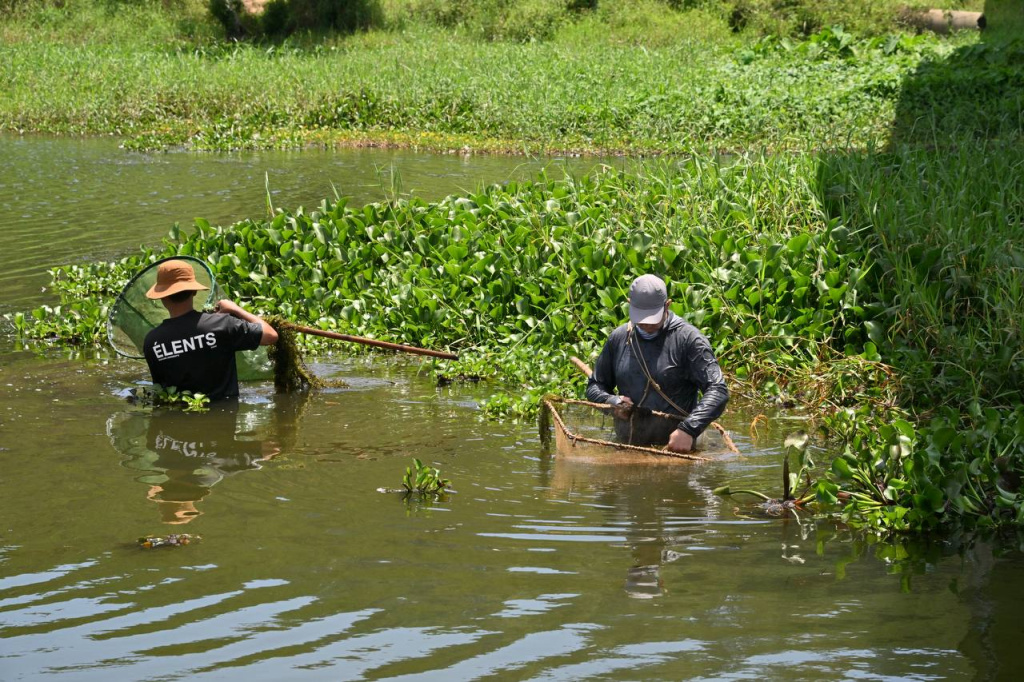
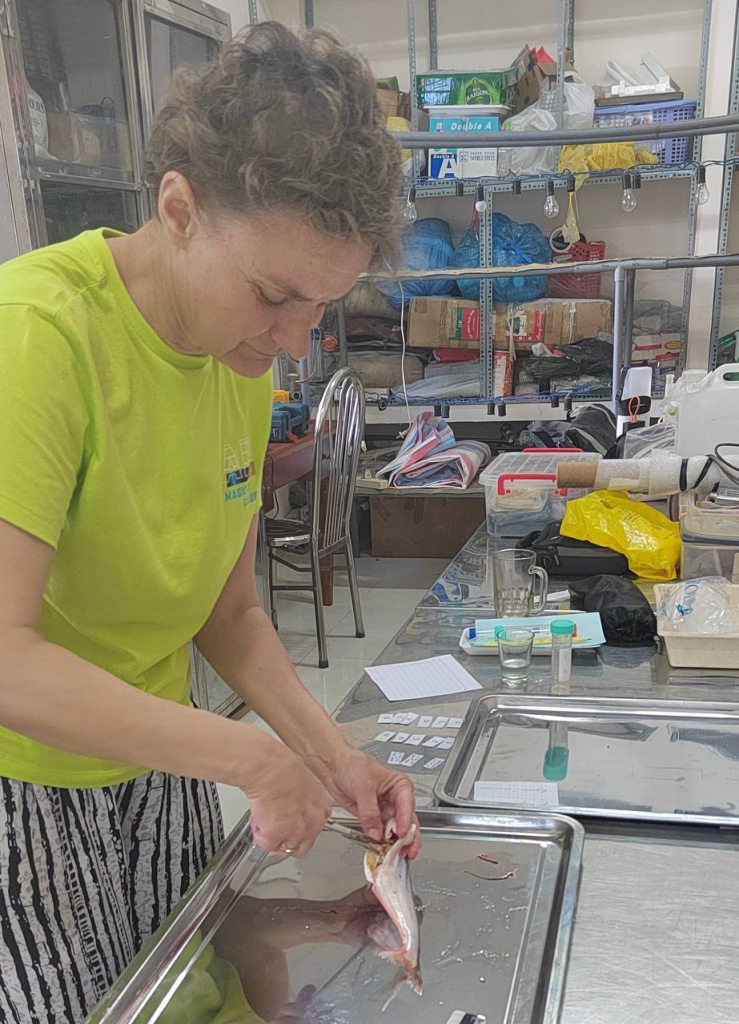
A team of researchers from four departments of the A.O. Kovalevsky Institute of Biology of the Southern Seas of the Russian Academy of Sciences (IBSS)—the Ichthyology Department, Benthic Ecology Department, Ecological Parasitology Department, and the Laboratory of Applied Ichthyology at the Freshwater and Brackish Water Hydrobiology Research Centre—completed their first field research in Vietnam in May 2025. Their work was conducted under the project “Current State of Ecosystems and Diversity of Hydrobionts in the Dong Nai River Basin.”
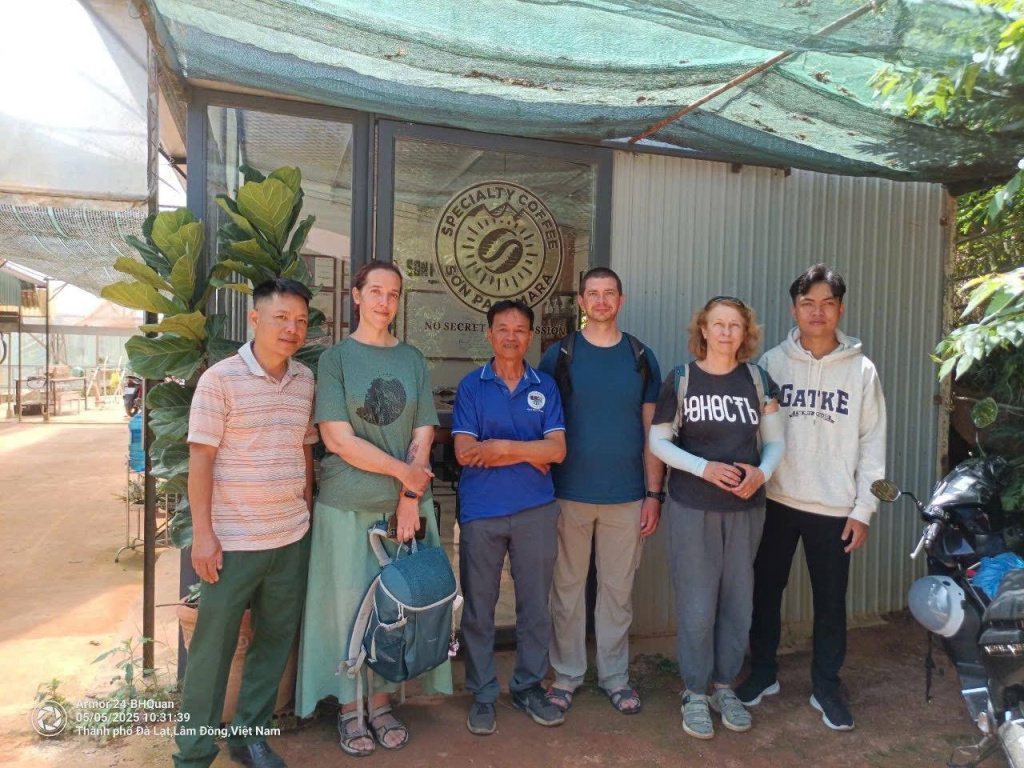
Over a month and a half, the Sevastopol-based scientists, in collaboration with their Vietnamese counterparts, carried out three comprehensive expeditions: in Cat Tien National Park, the Dong Nai Biosphere Reserve (including Chian Lake) in Dong Nai Province, and in the rivers and lakes of Lam Dong Province.
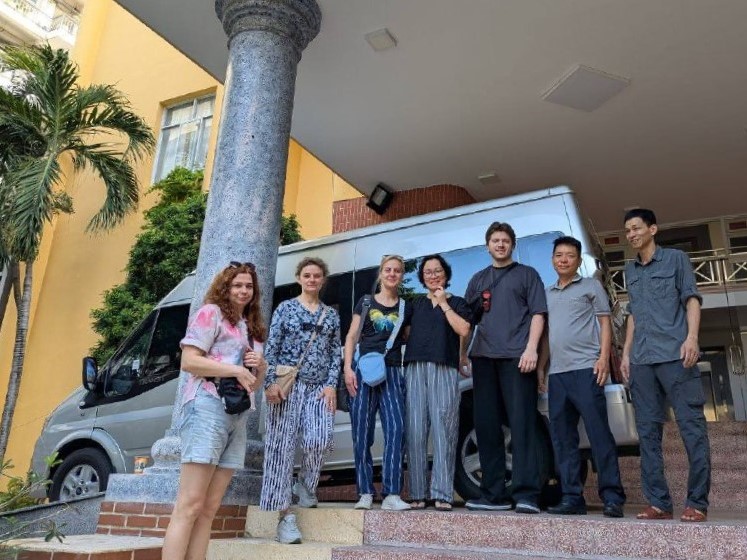
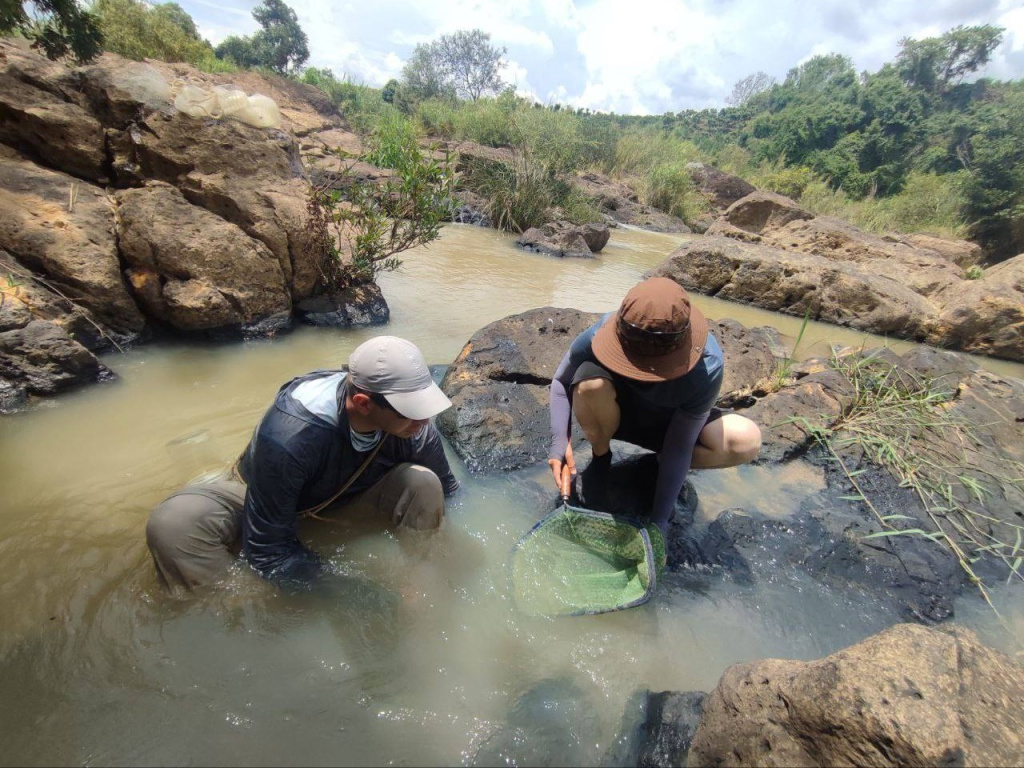
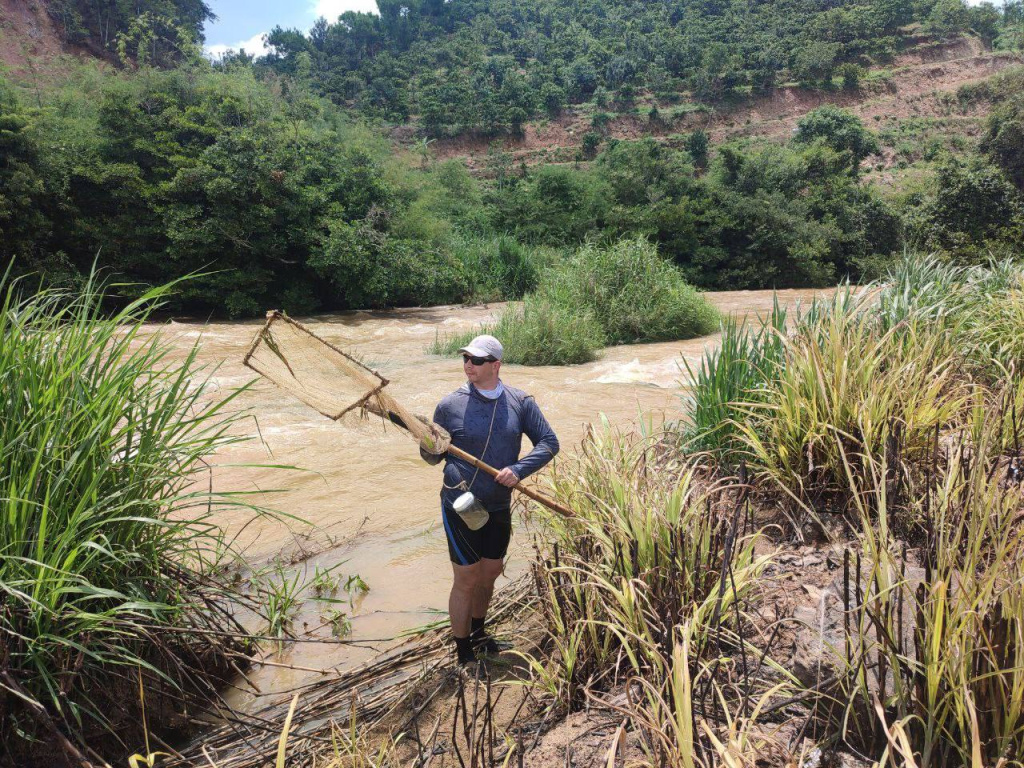
“The rivers of Southern Vietnam are a vital component of the region’s ecosystems. They provide water for drinking, agriculture, and industry, supply aquatic biological resources, and play a key role in maintaining biodiversity. The Dong Nai, Vietnam’s longest inland river, spans 586 km with a basin area of 38,600 km², flowing through six provinces and Ho Chi Minh City. However, the fauna of this major water basin remains fragmentary and understudied. Our expedition aimed to conduct a comprehensive ichthyological survey of the lotic and lentic water bodies in the upper Dong Nai basin, examining the taxonomic composition, diversity, and abundance of fish and decapods in various biocenoses. We also studied the modern taxonomic composition and trophic relationships of key hydrobiont species (fish and invertebrates) in the water bodies and streams of Cat Tien National Park. Additionally, we obtained the first data on the contemporary taxonomic composition of parasitic organisms and the structure of parasitic systems involving mass hydrobiont species,” reported Dr. Evgenia Karpova, project lead and Senior Researcher at the IBSS Ichthyology Department, Candidate of Biological Sciences.
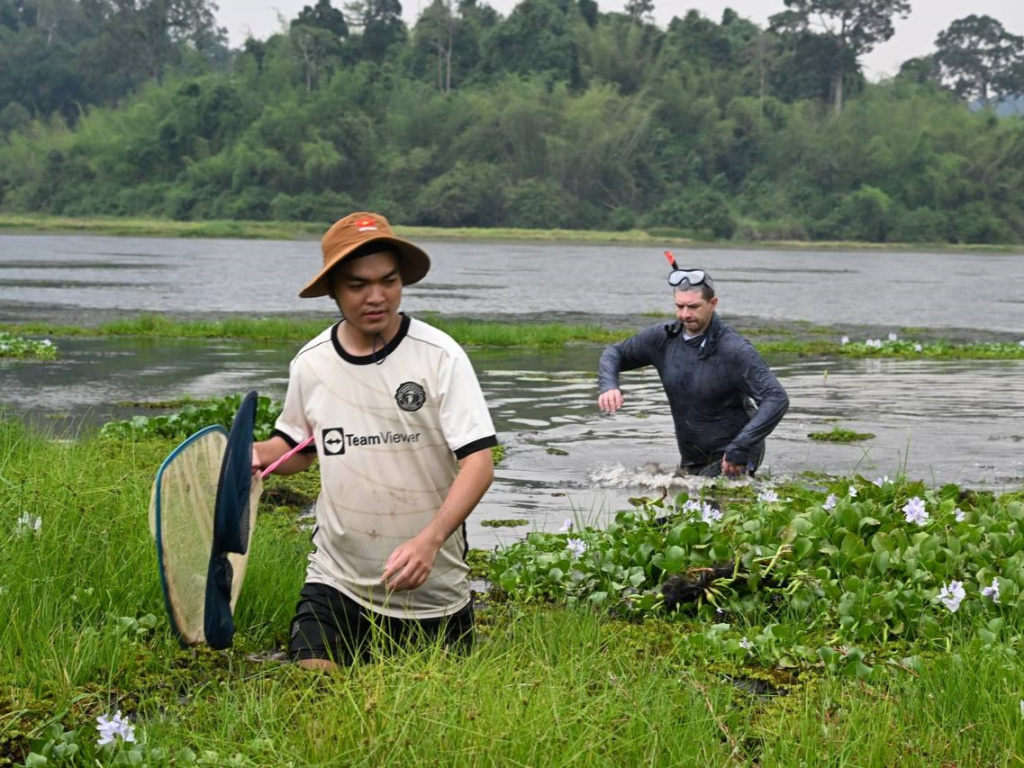
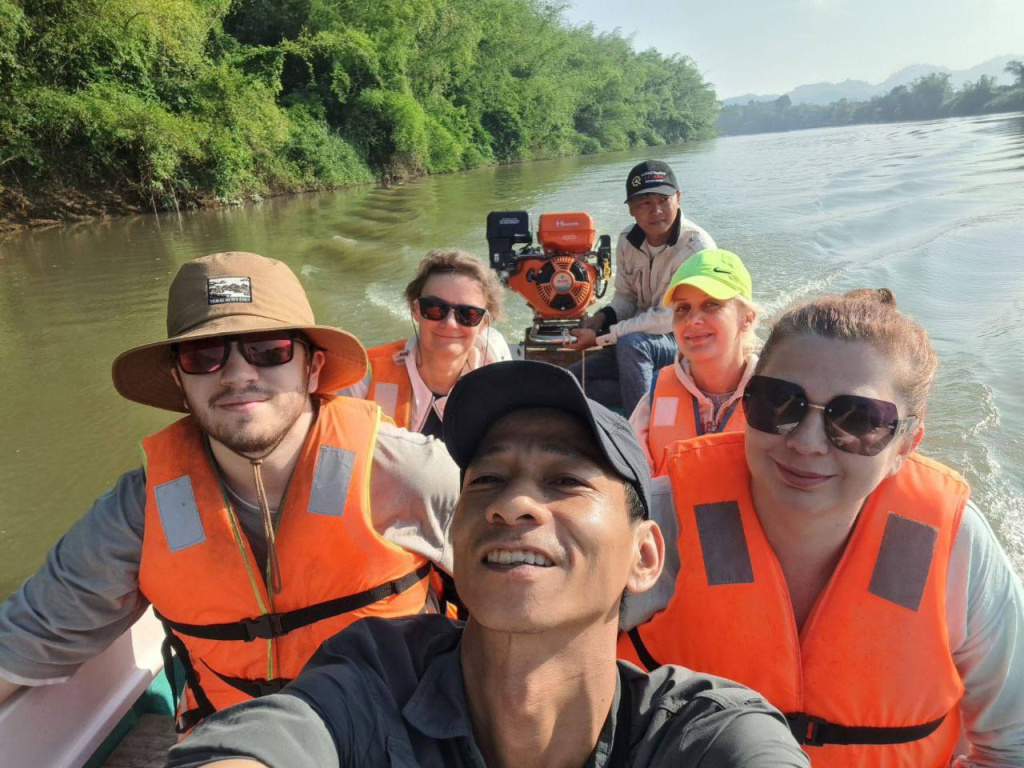
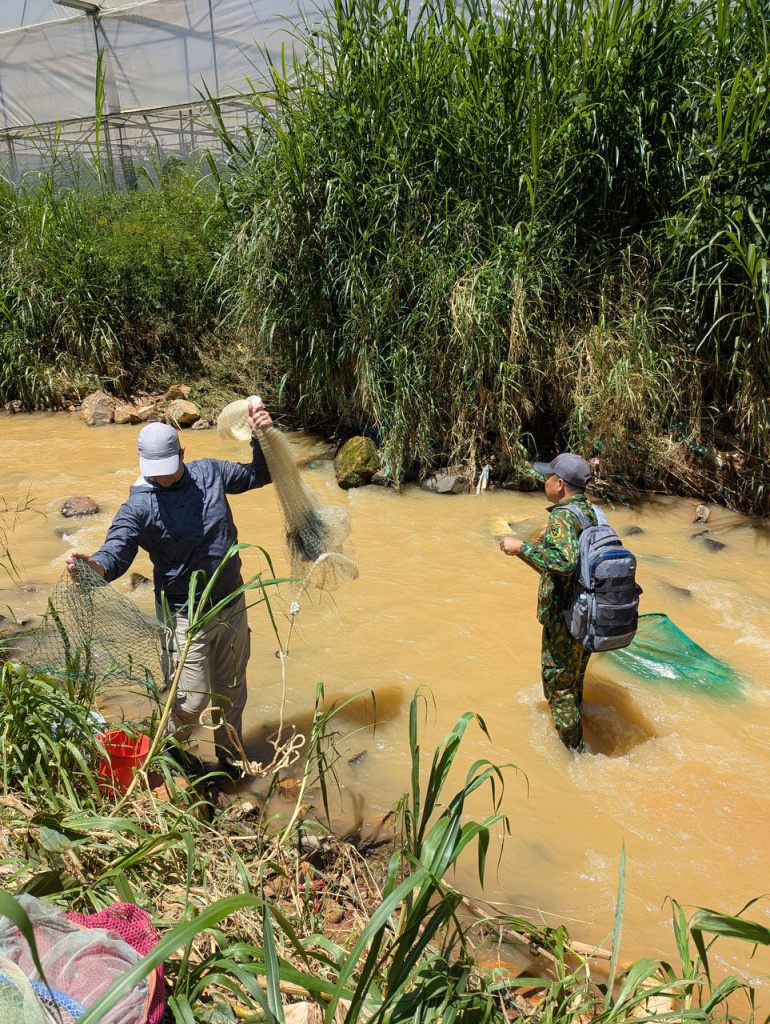
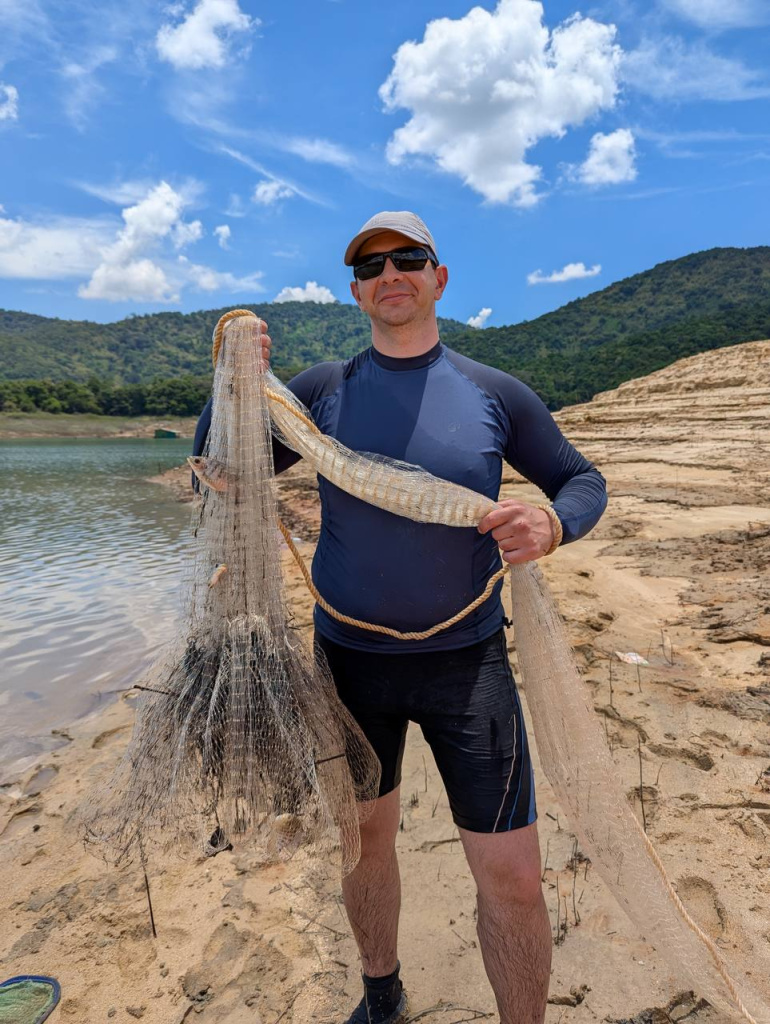
As a result of the research, scientists determined the composition of the local ichthyofauna in Chian Lake—a large anthropogenic reservoir formed by the construction of the Chian Hydroelectric Power Station, which plays a crucial role in supplying freshwater, regulating flow, and supporting regional fisheries. During the expedition, researchers identified 62 fish species from 24 families and 12 orders in Chian Lake.
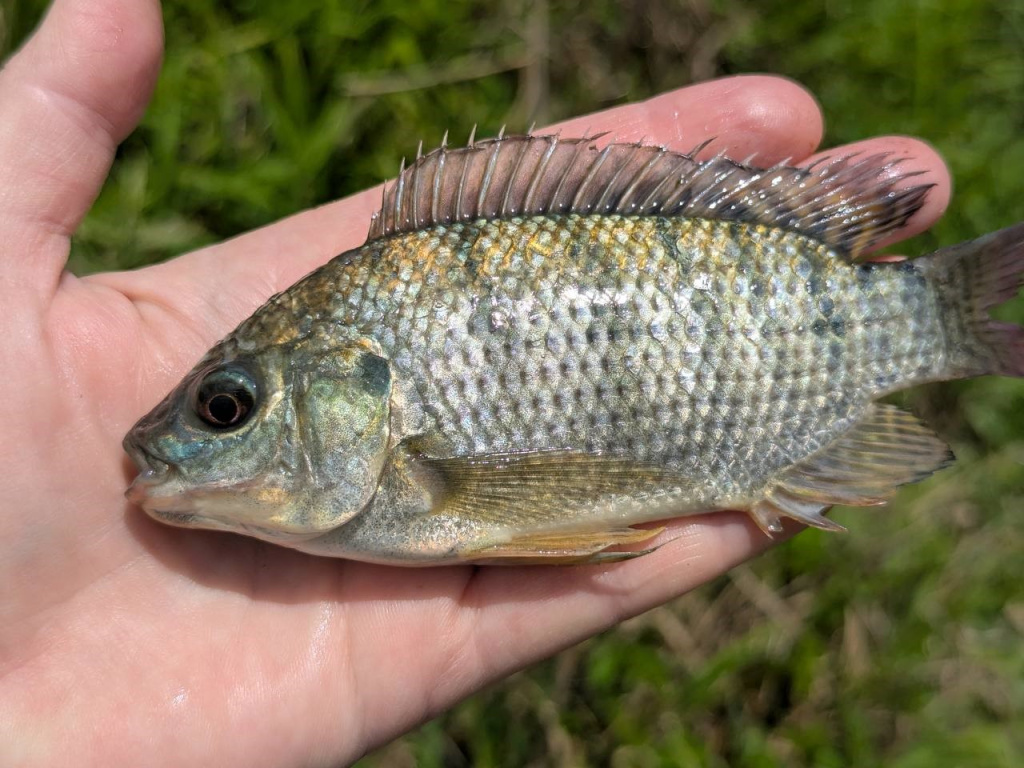
In the upper Dong Nai basin, specialists recorded the presence of the redbelly tilapia (Coptodon zillii) for the first time. This thermophilic, omnivorous, and highly adaptable fish can thrive in various environmental conditions, including polluted waters. In several countries, it has proven invasive, forming stable populations that displace native ichthyofauna. The team also investigated decapod fauna, compiling species lists for each area and initiating work to refine the ranges of Southern Vietnam’s endemic species.
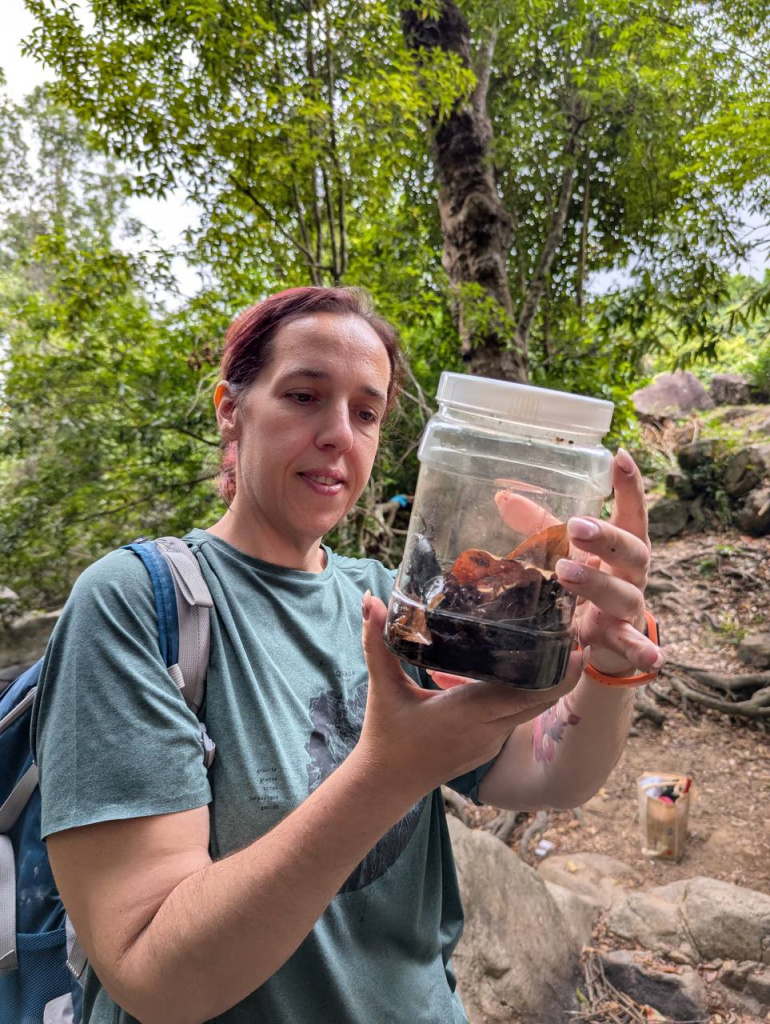
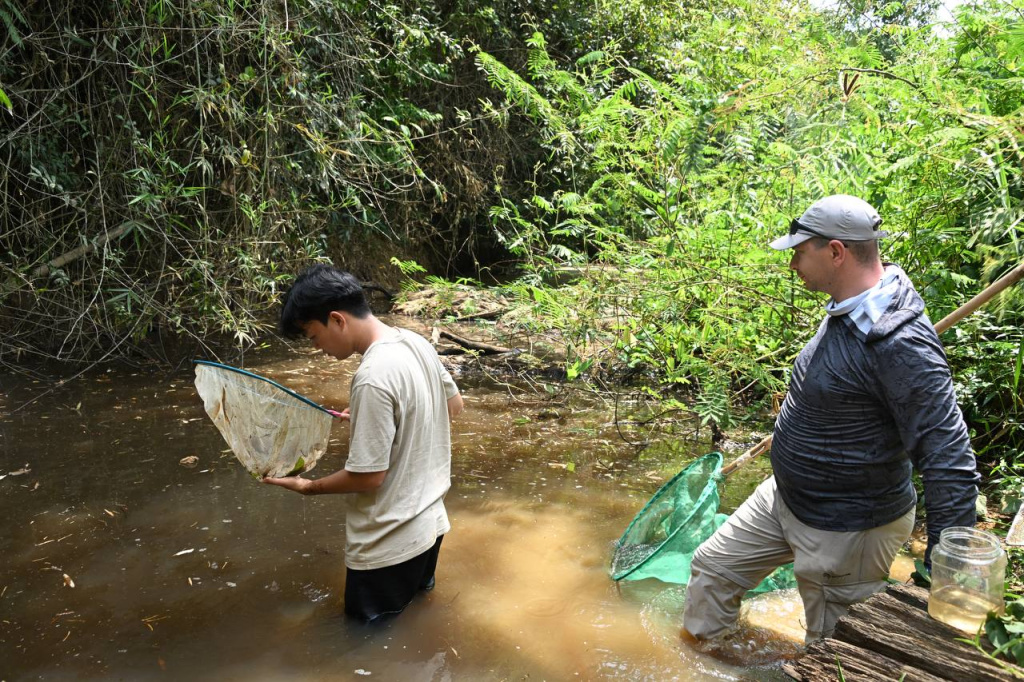
“In Cat Tien National Park, we established monitoring stations for our research. We collected 40 macrobenthos samples and identified the main groups of invertebrates: meiobenthos (nematodes, harpacticoids, ostracods) and macrobenthos (molluscs, crustaceans, insect larvae, aquatic insects, and spiders). We determined the species composition of molluscs—Bivalvia (7 species). During our studies in the Da Hong River, we recorded 2 insect species, 7 decapod species, and 13 fish species. The hydrobiological survey revealed, for the first time in Cat Tien’s fauna, 4 decapod species and confirmed that the Da Hong River exhibits a high level of endemism among crustaceans. During parasitological studies, we discovered endoparasitic representatives of 4 helminth classes (Acanthocephala, Trematoda, Cestoda, Nematoda), as well as ectoparasites: Monogenea, Trematoda, and leeches (Ciliatella: Hirudinea). In four mollusc species, we identified parthenogenetic generations of Trematoda, and in two mollusc species, we found metacercariae of trematodes. These new findings have greatly interested our Vietnamese colleagues, who expect that, over the five years of collaboration under this project, we will significantly expand the knowledge base on the region’s unique aquatic systems,” noted Evgenia Karpova.
Background:
-
The expeditions under the project “Current State of Ecosystems and Diversity of Hydrobionts in the Dong Nai River Basin” are part of a five-year research programme conducted by IBSS scientists at the Southern Branch of the Joint Russian-Vietnamese Tropical Research and Technology Centre.
-
The 2025–2029 Tropical Centre Research Programme includes two additional IBSS projects:
“Study of the Functioning and Dynamics of Landscapes in Central and Southern Vietnam under Anthropogenic Pressure and Climate Change to Develop Scientific Foundations for Their Rational Use,”
“Study and Assessment of Biodiversity in Selected Marine Communities of Central and Southern Vietnamese Waters.” -
The Joint Russian-Vietnamese Tropical Research and Technology Centre operates under the Intergovernmental Agreement between the USSR and the SRV of 7 March 1987 and holds the status of an international scientific and technological cooperation organisation. The Russian Ministry of Science and Higher Education is the authorised body for Russia, while the Vietnamese Ministry of National Defence represents Vietnam. The Centre is a key object of strategic partnership between Russia and Vietnam in science, technology, and military-technical cooperation, and it remains Russia’s only research organisation in the tropical zone.