
IBSS Scientists Conduct Geoecological Research on Mountain River Basins in Dagestan
23.07.2025
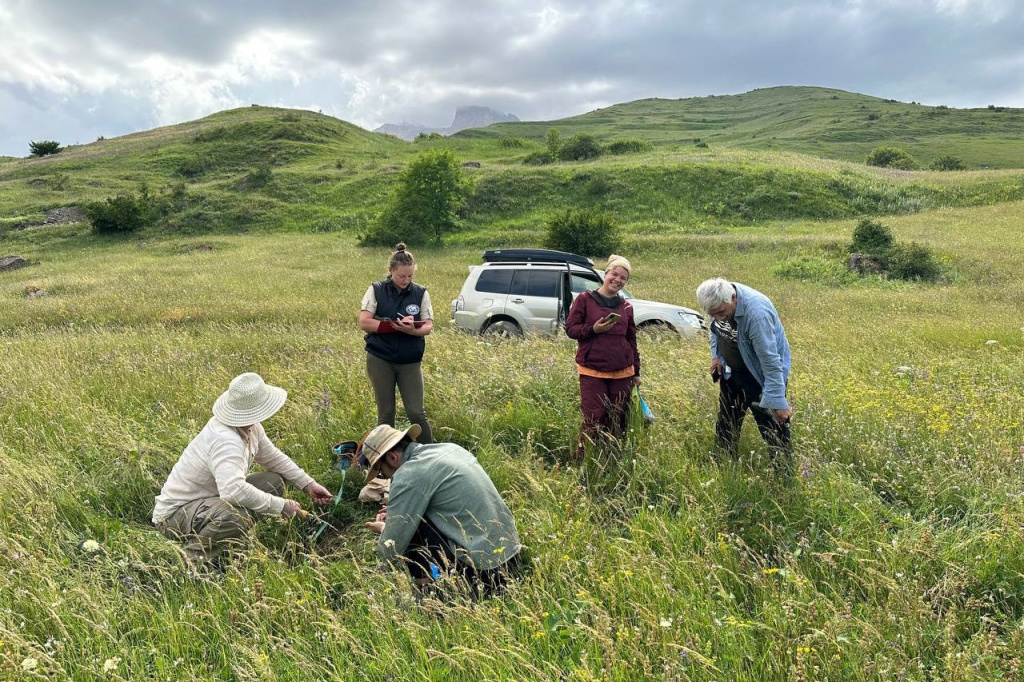
Specialists from the A.O. Kovalevsky Institute of Biology of the Southern Seas of the Russian Academy of Sciences (IBSS), in collaboration with colleagues from the M.D. Millionshchikov Grozny State Oil Technical University, the Academy of Sciences of the Chechen Republic, and the Institute of Geology of the Dagestan Federal Research Centre of the Russian Academy of Sciences, have completed their first expedition of 2025—and the third overall—to study the geoecological state of mountain river basins in the Northeastern Caucasus. The research considers climate change and increasing anthropogenic pressure.
This time, a team of scientists from three regions of Russia, led by Ibragim Kerimov, Vice-President and Academician of the Academy of Sciences of the Chechen Republic, Doctor of Physical and Mathematical Sciences, and Professor, conducted comprehensive research in Dagestan. Their focus was on the Shura-Ozen and Samur River basins, the latter of which forms a natural border between Russia and Azerbaijan along part of its course. Over 12 days, the expedition members worked in unique natural conditions—on the spurs of the Main Caucasus Range and sections of the Lateral Range. They visited some of the region’s most remote and picturesque areas, including the vicinity of Mount Bazardüzü (the highest peak in Dagestan and Azerbaijan, at 4,466 metres), Mount Ragdan (the southernmost point of Russia), and the famous Mount Shalbuzdag (an important site for religious pilgrimage).
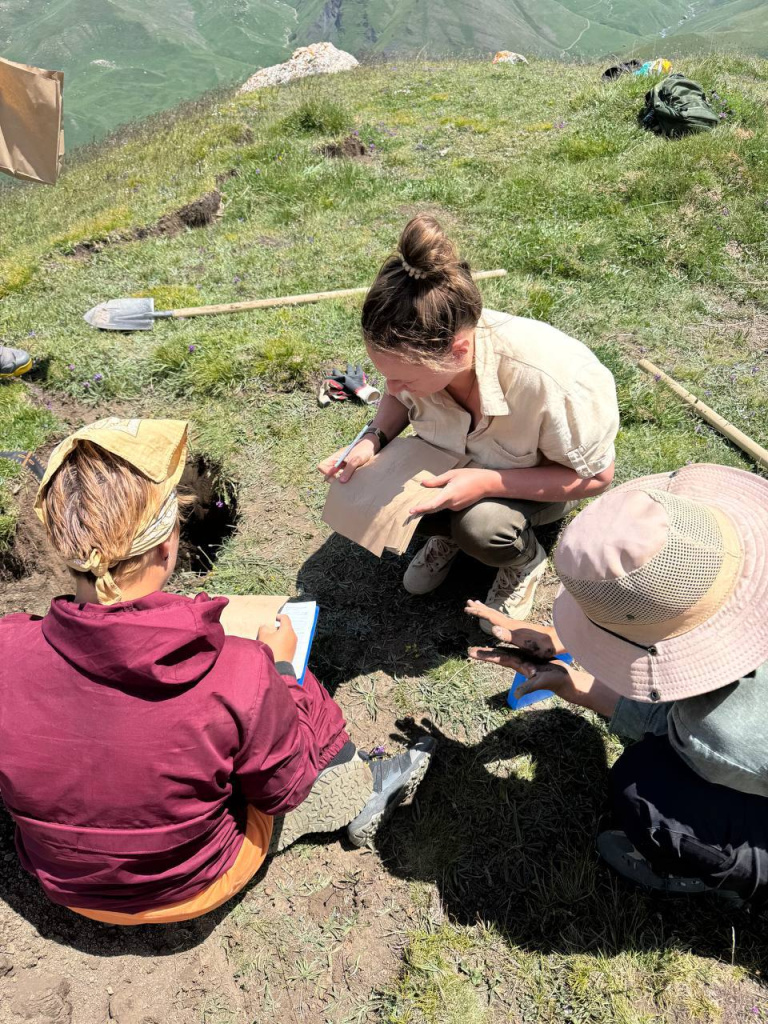
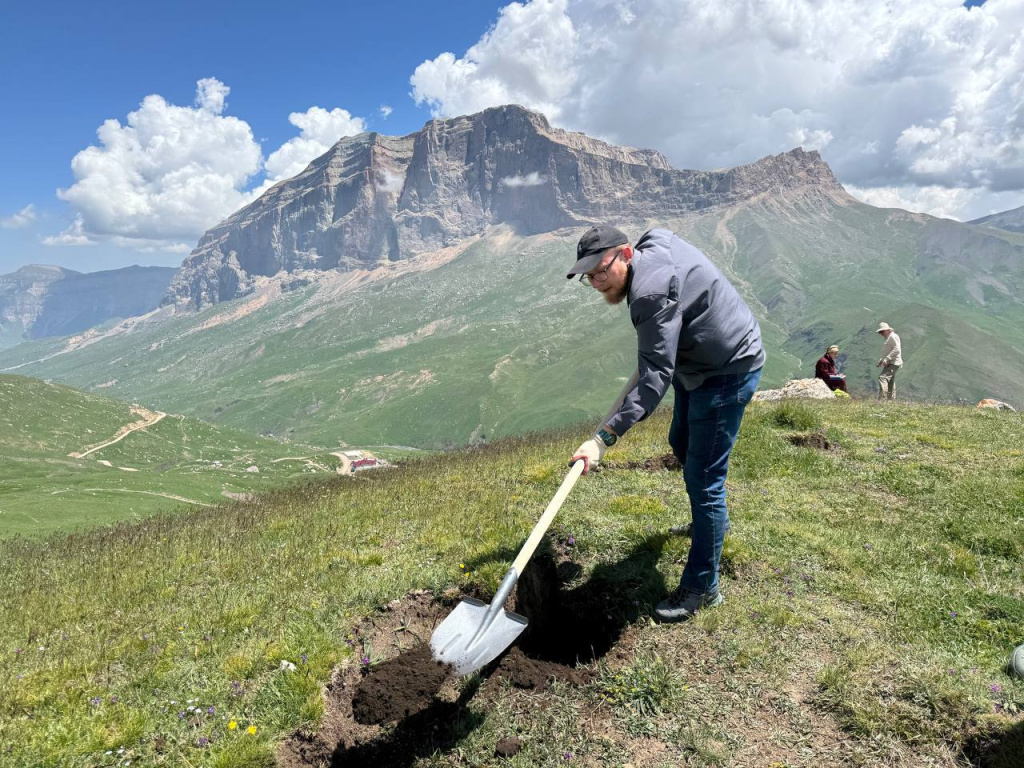
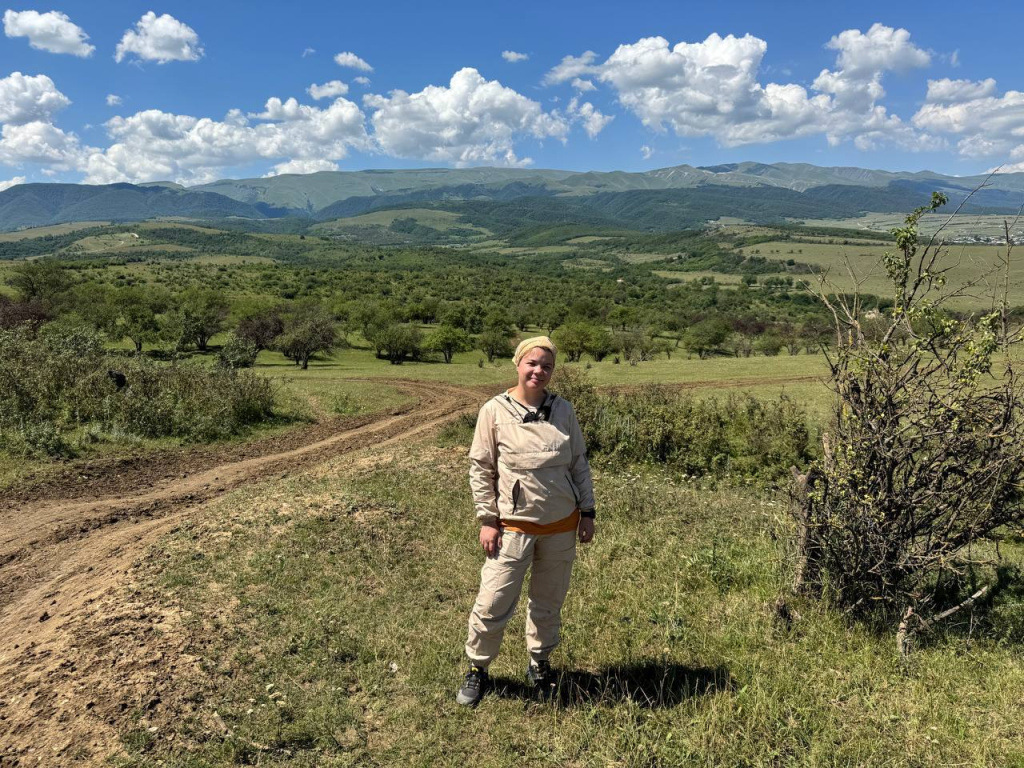
“Working in these breathtaking locations gives us a unique opportunity to study ecosystems untouched by human activity. It is particularly valuable that local residents showed genuine interest in our scientific project, which not only aided our data collection but also helped disseminate ecological knowledge among the population and foster a sense of responsibility for the environment,” shared Aleksandra Nikiforova, a junior researcher at the Laboratory for Geoecological Assessment Methodologies for Mountain River Basins at IBSS and a participant in the expedition.
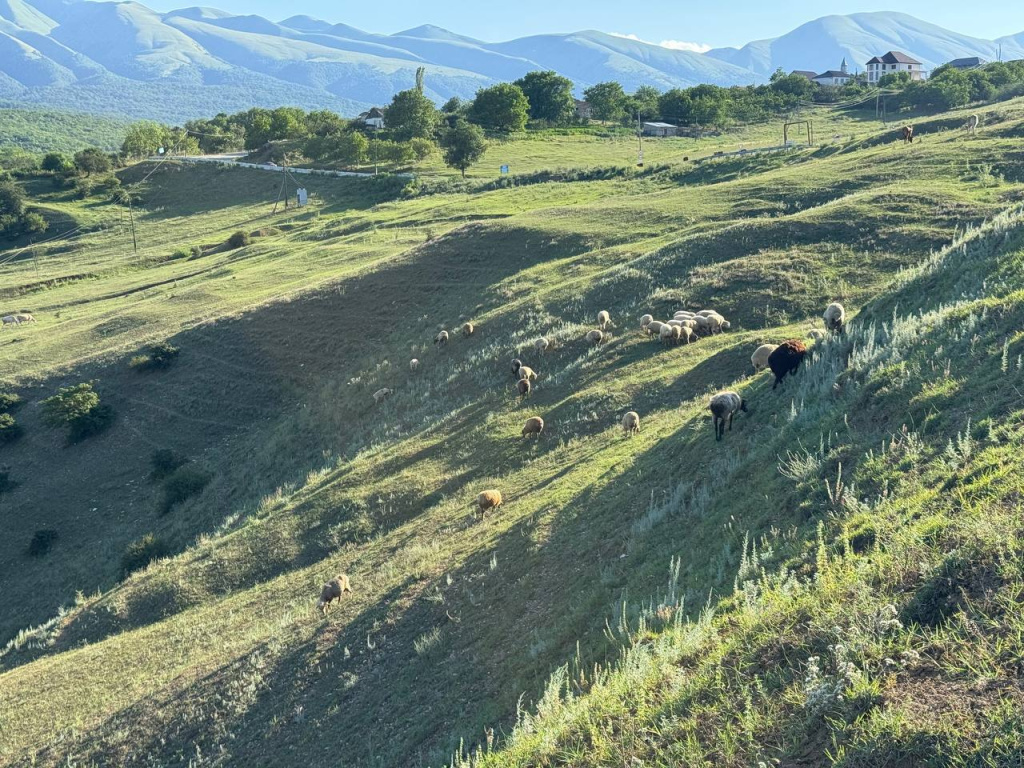
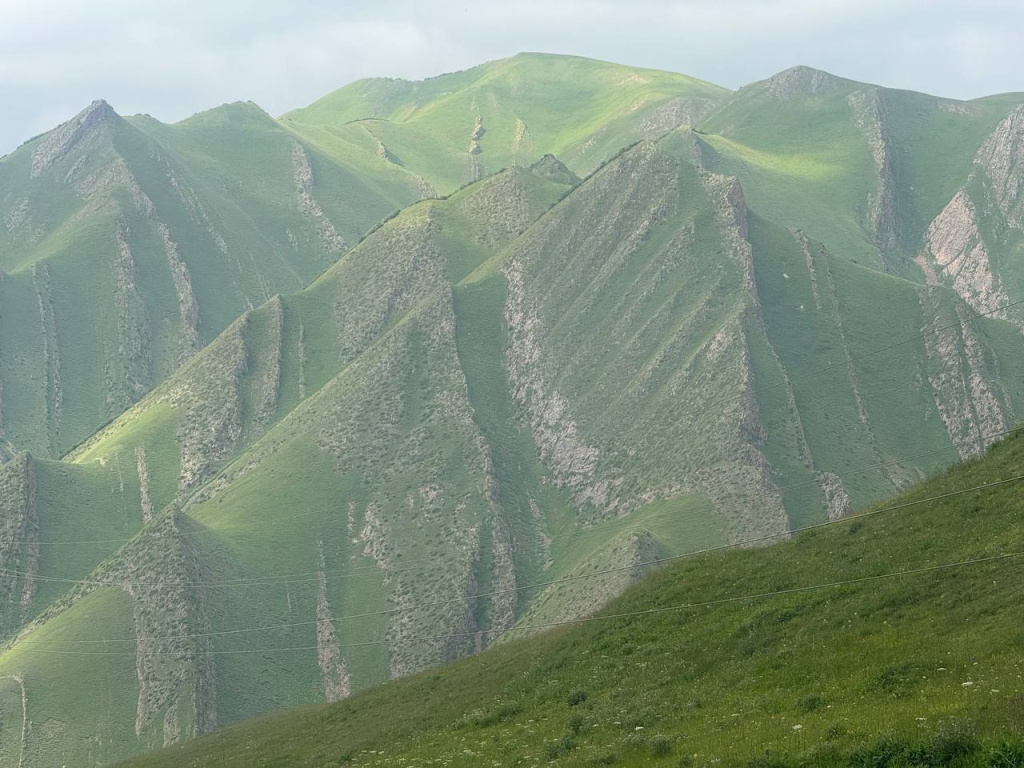
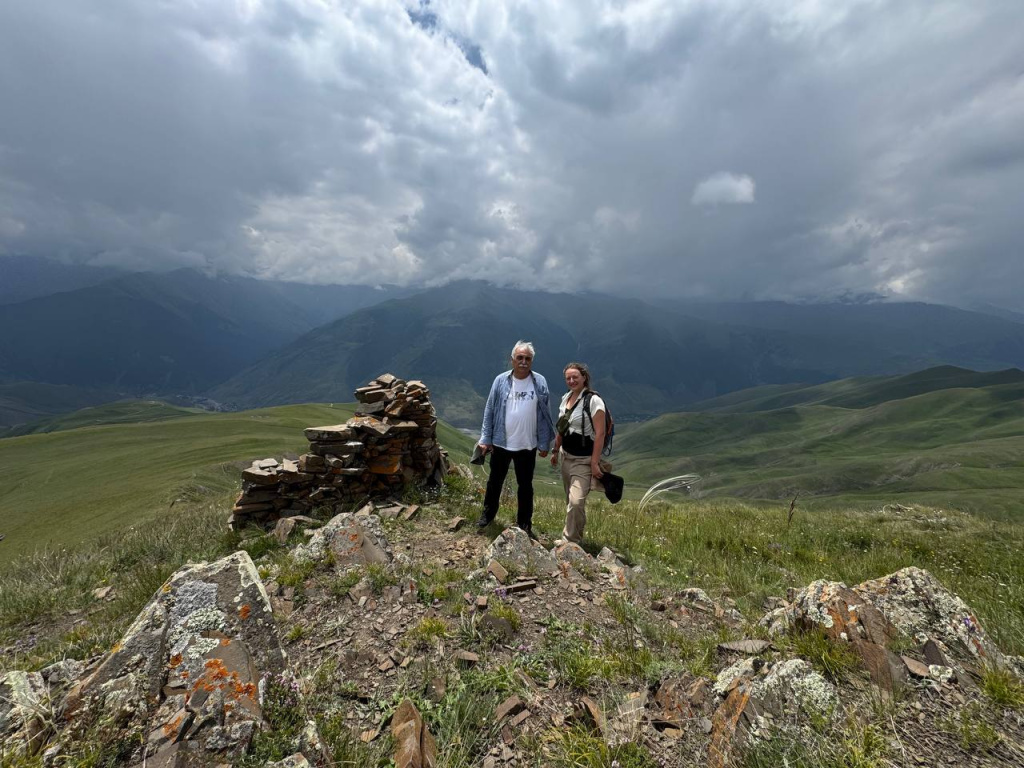
During the fieldwork, the specialists collected extensive scientific material, including 168 soil samples, 200 plant specimens, and 22 water and sediment samples. These are currently undergoing laboratory analysis in Sevastopol. The data obtained will enable a comprehensive analysis of the current state of ecosystems in the small and medium river basins of the Caspian region and assess the extent of climate change and anthropogenic impact on them. The findings hold significant practical value, serving as the foundation for scientific recommendations on sustainable natural resource management in mountain regions, the development of monitoring systems for the ecological state of river basins, and the forecasting of potential ecosystem changes under global climate change.
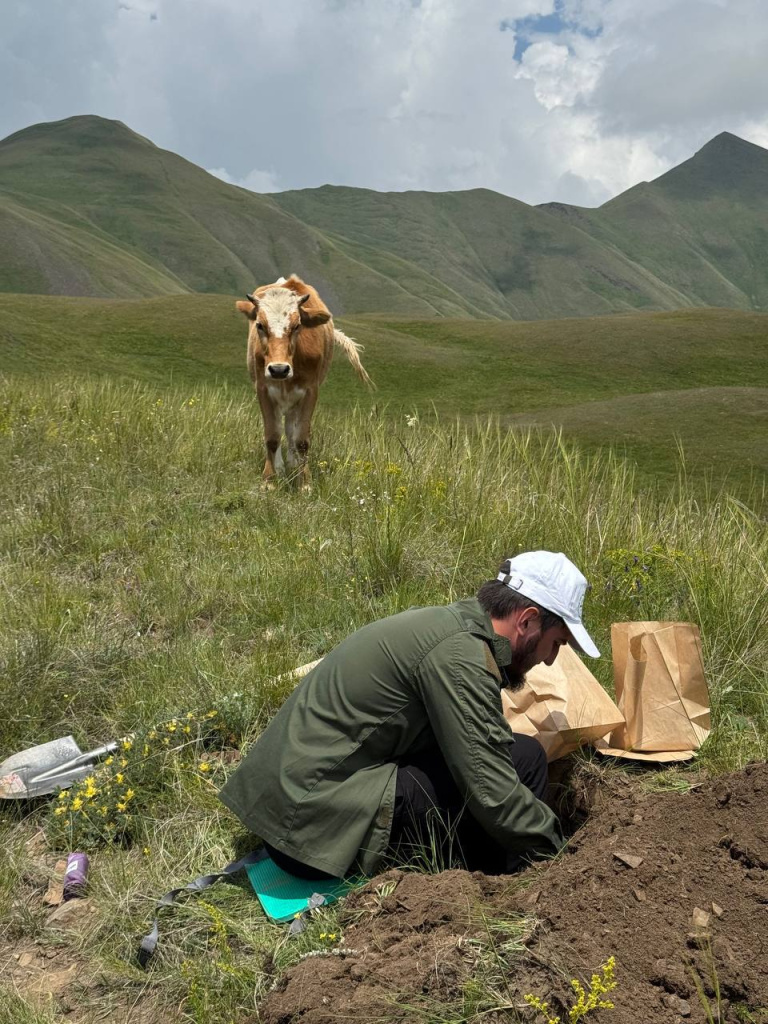
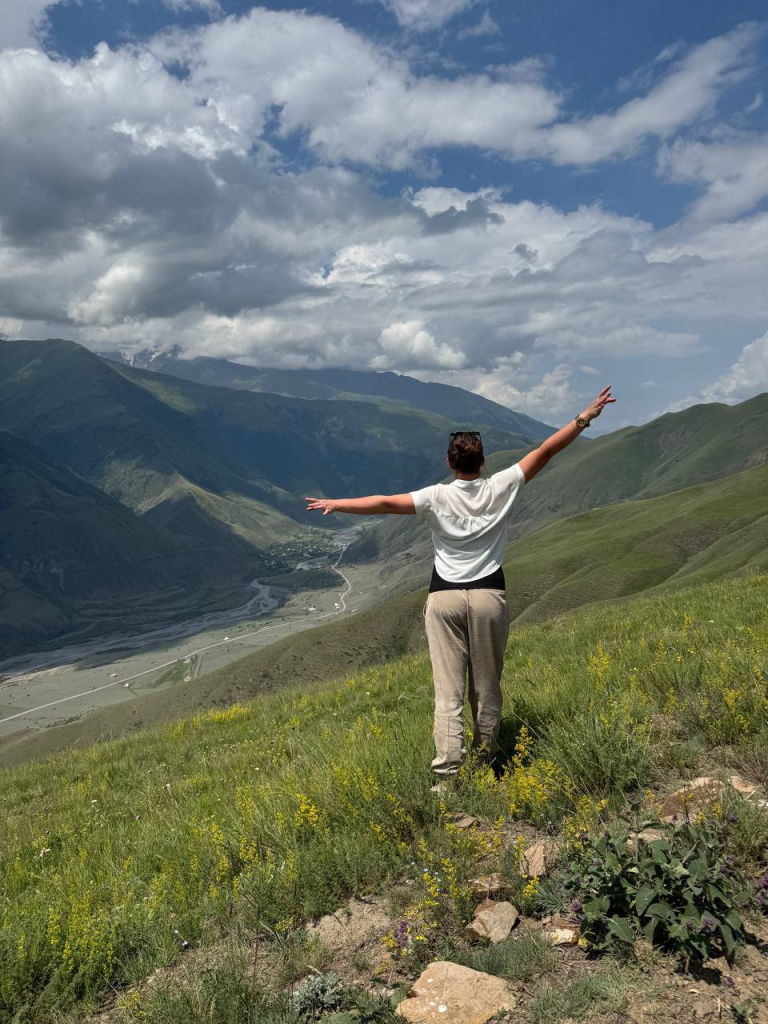
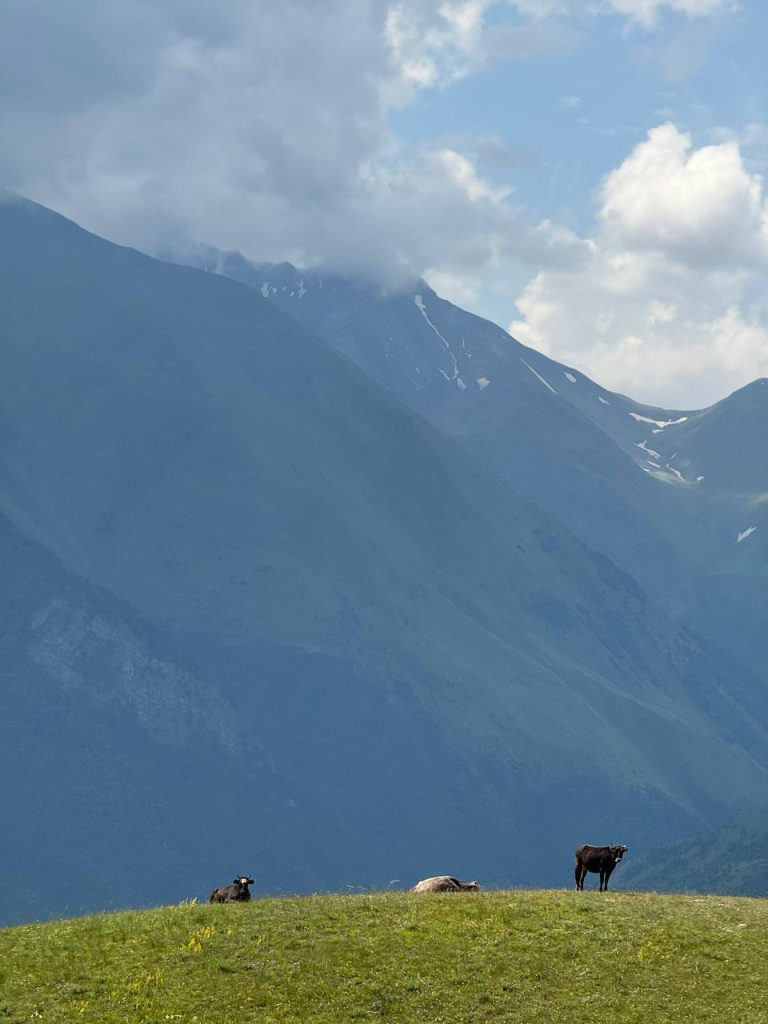
“The mountain rivers of the Caucasus are unique natural laboratories. Studying them provides us with key insights into many global ecological processes and helps develop strategies for the sustainable development of the entire region. Special attention during the expedition was given to areas where the interaction between humans and nature is particularly pronounced, allowing us to document both natural and anthropogenic factors affecting the environment,” noted Polina Drygval, a junior researcher at the Laboratory for Geoecological Assessment Methodologies for Mountain River Basins at IBSS and a participant in the expedition.
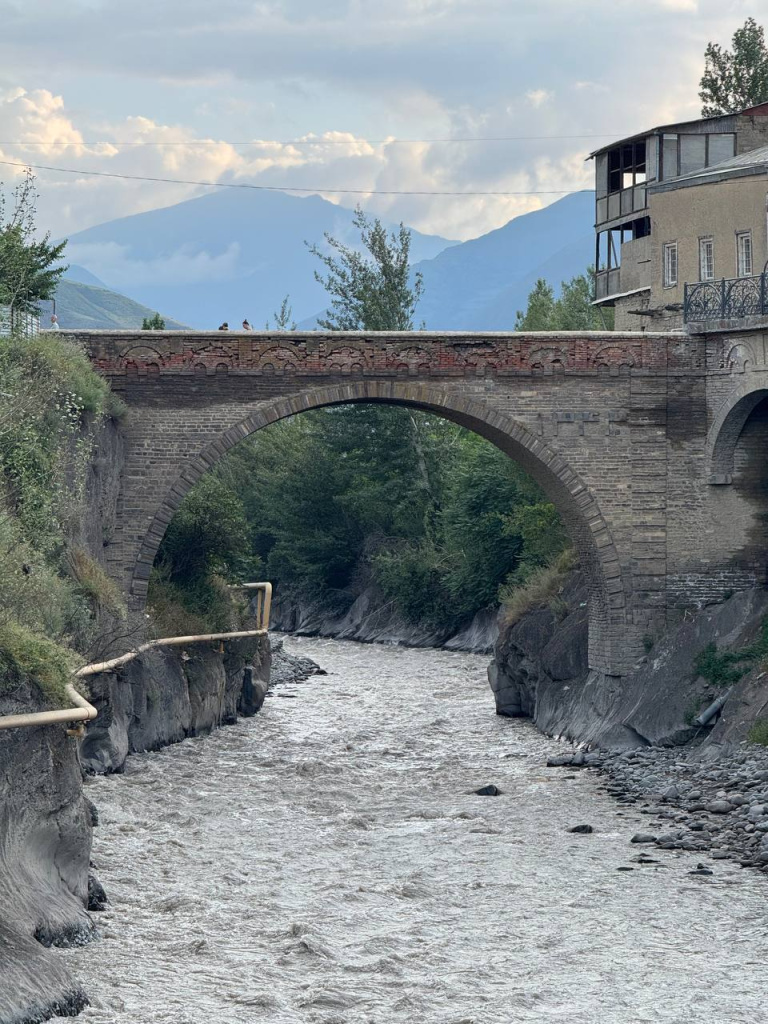
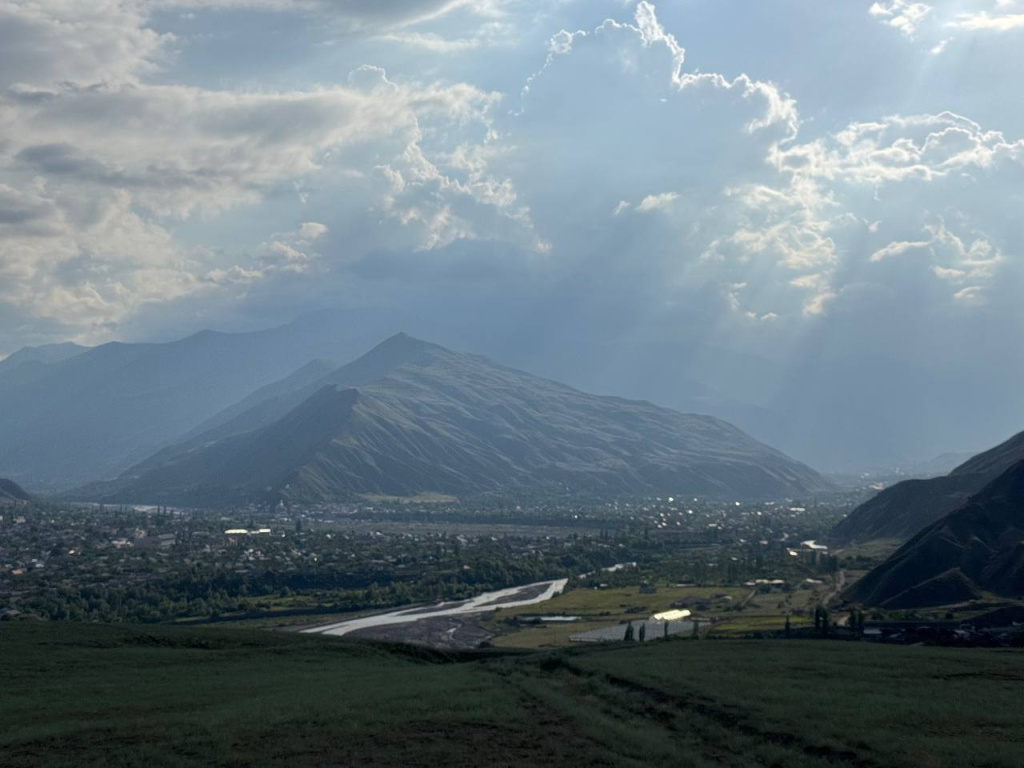
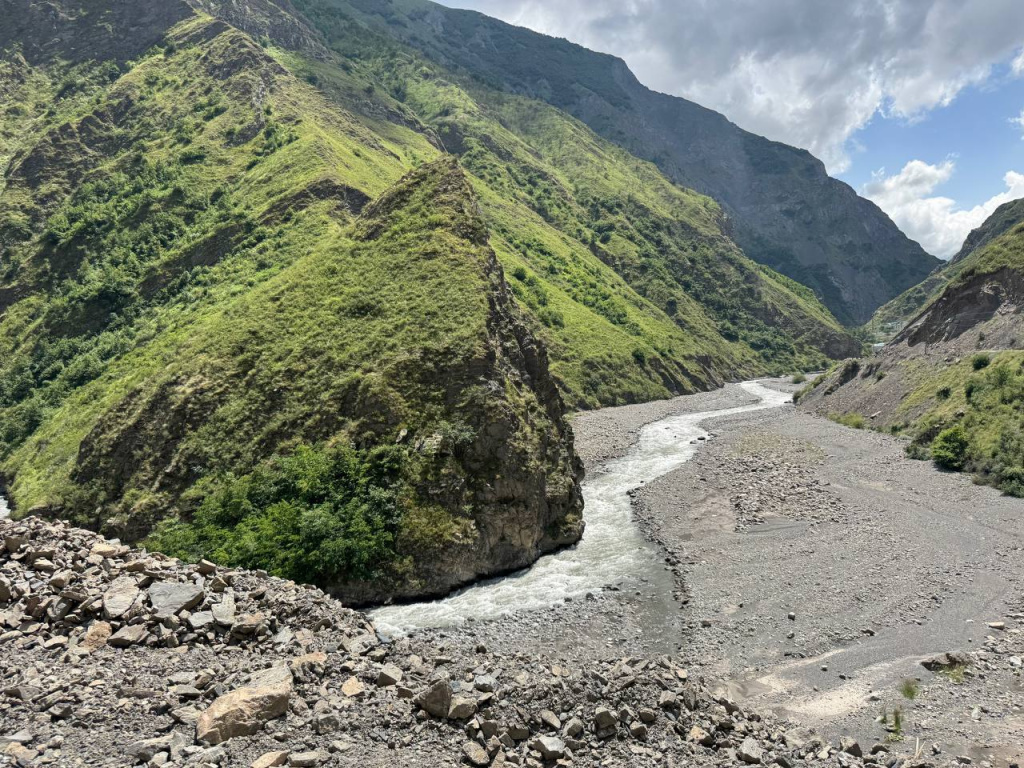
The joint expedition of scientists from Sevastopol, Chechnya, and Dagestan was conducted as part of the large-scale project “Dynamics of the Geoecological State of Mountain River Basins in the Northeastern Caucasus, Azerbaijan, and Iran under Climate Change and Increasing Anthropogenic Pressure,” which is implemented with financial support from the Russian Ministry of Science and Higher Education. In 2024, under this project, specialists conducted research in the Sulak, Ulluchay, and Sunzha River basins in Dagestan, Chechnya, and Ingushetia, as well as the Atachay and Karachay Rivers in Azerbaijan.
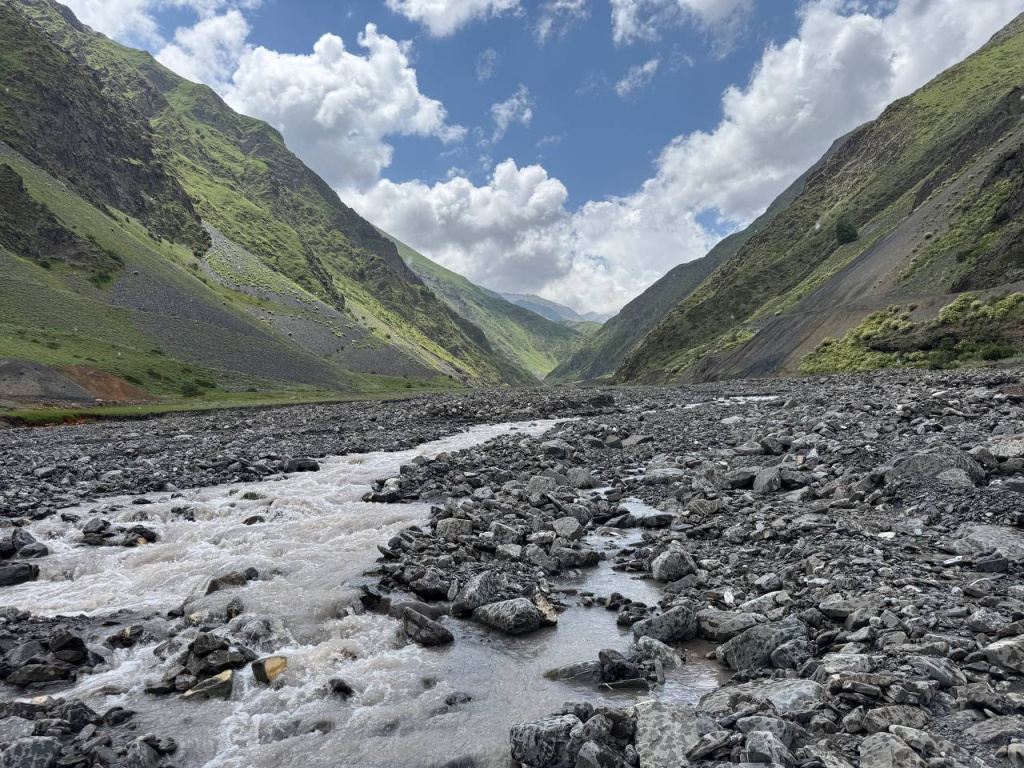
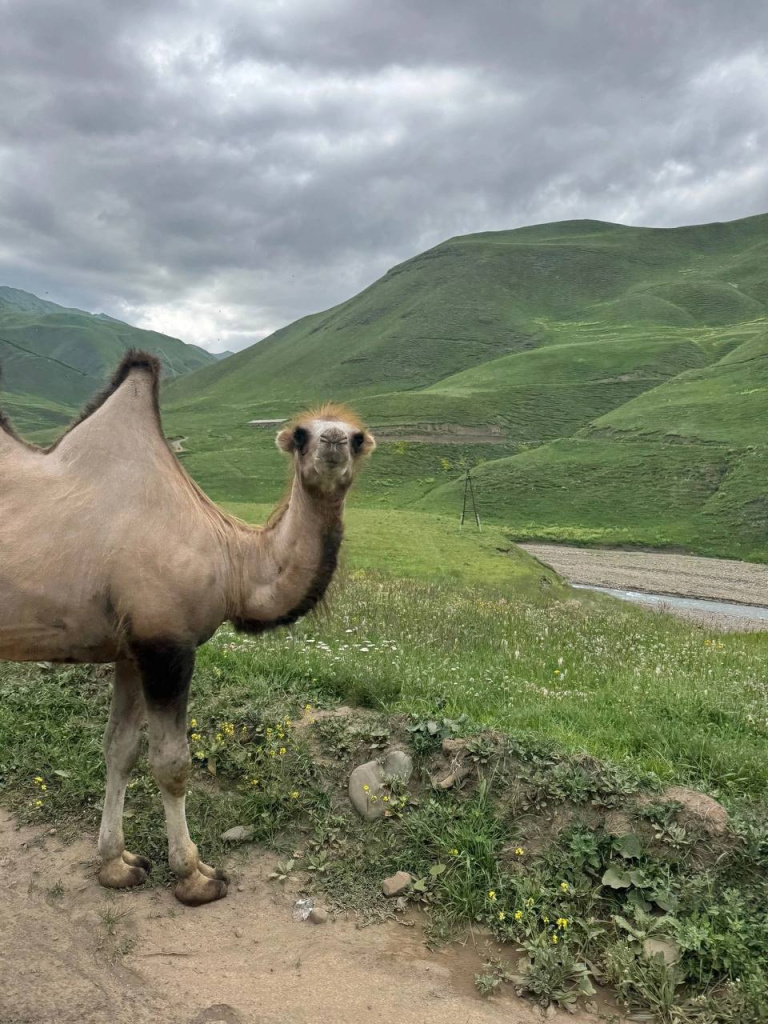
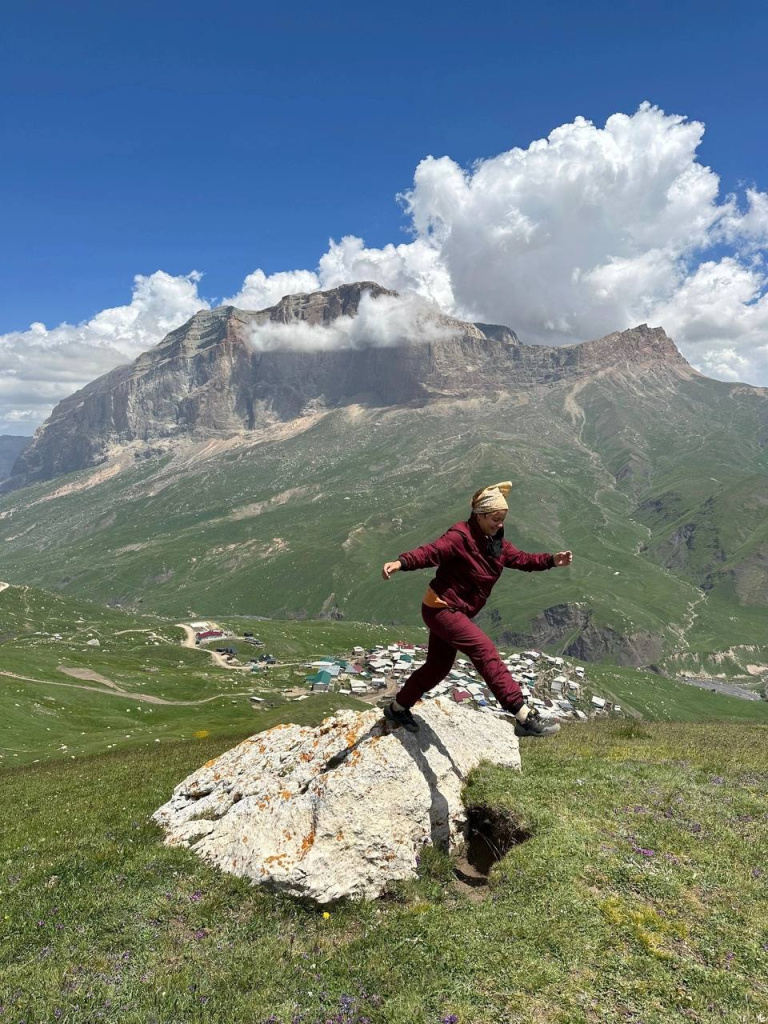
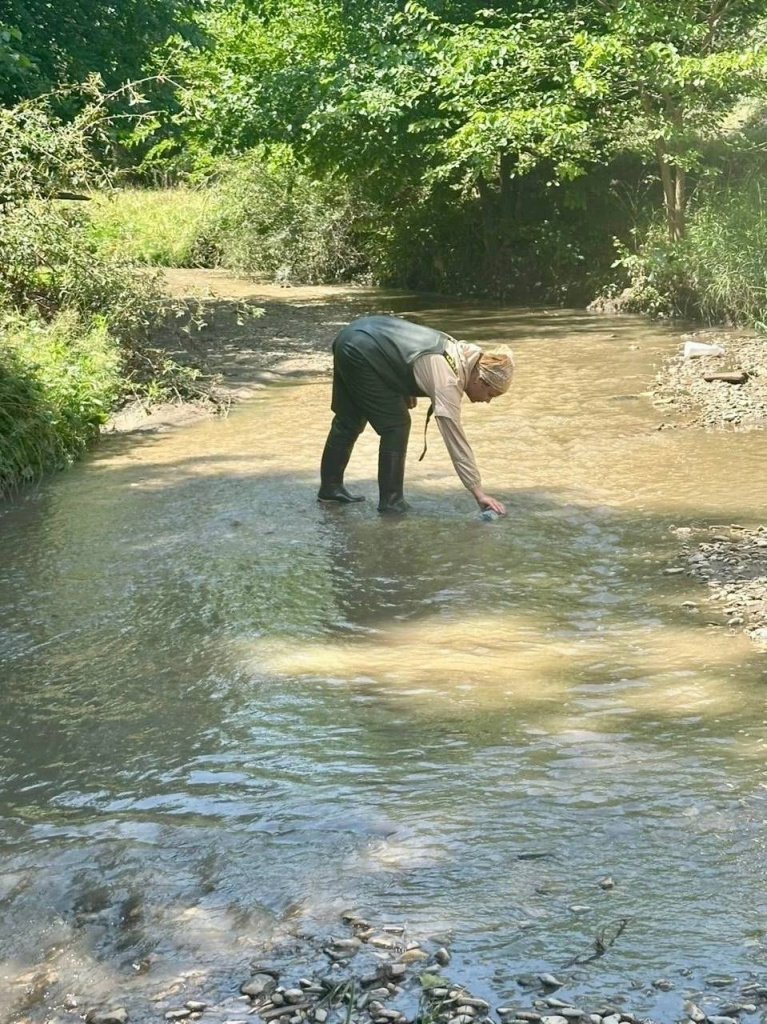
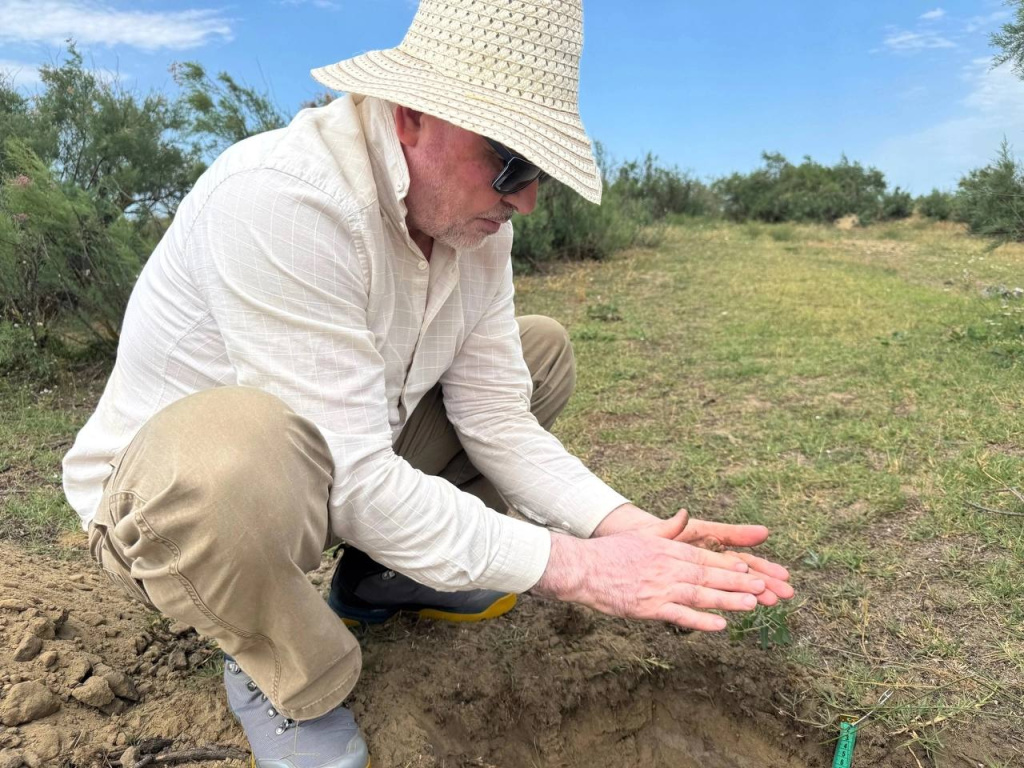
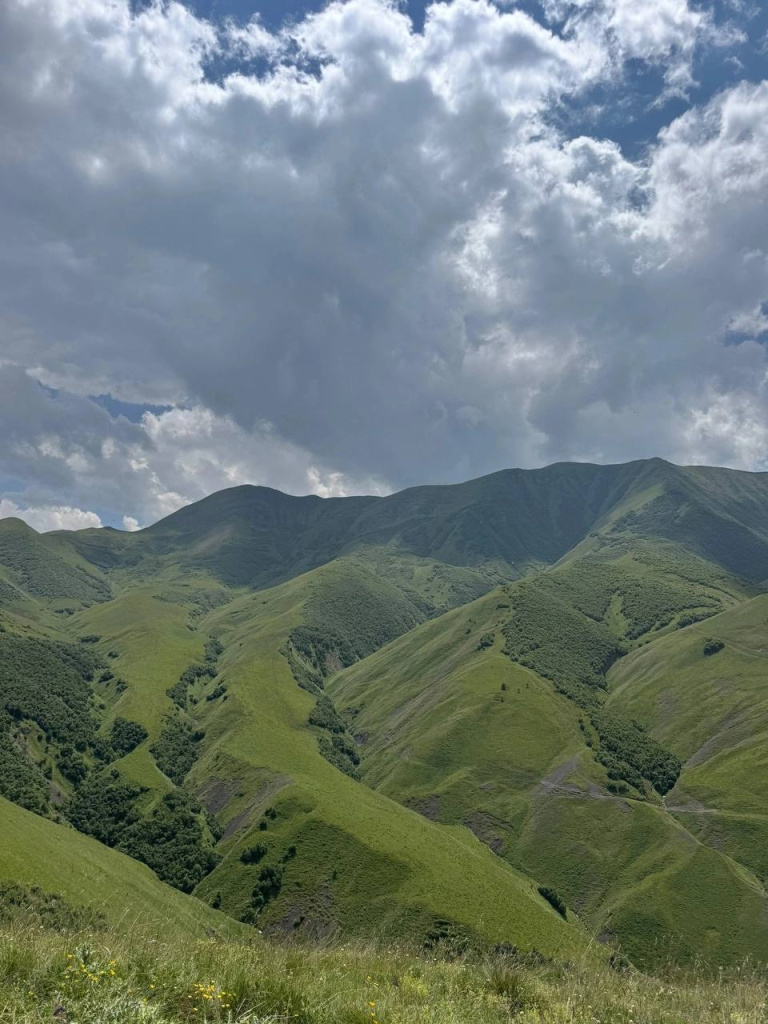
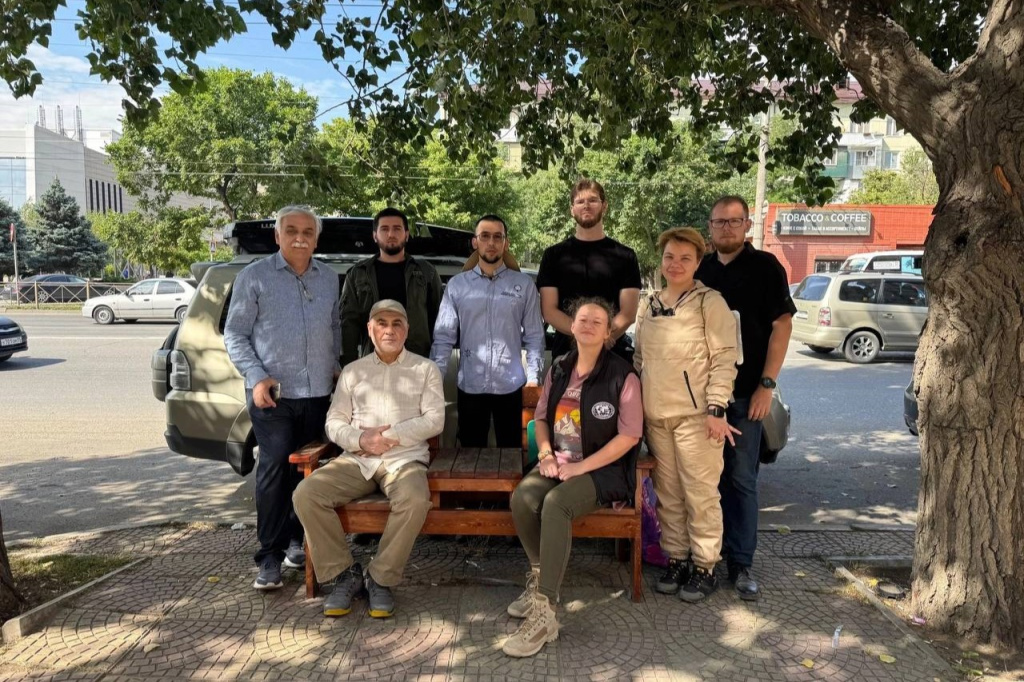
Photo: Aleksandra Nikiforova