IBSS Director Gorbunov Participates in Russian Scientific Mission to Africa
30.06.2025
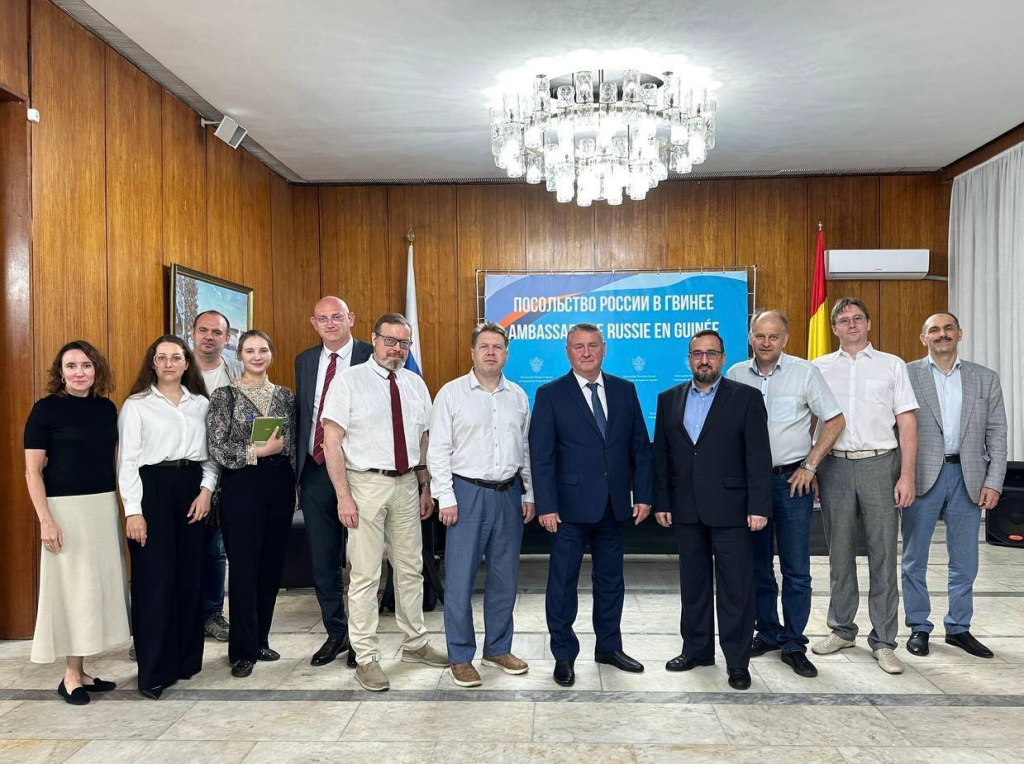
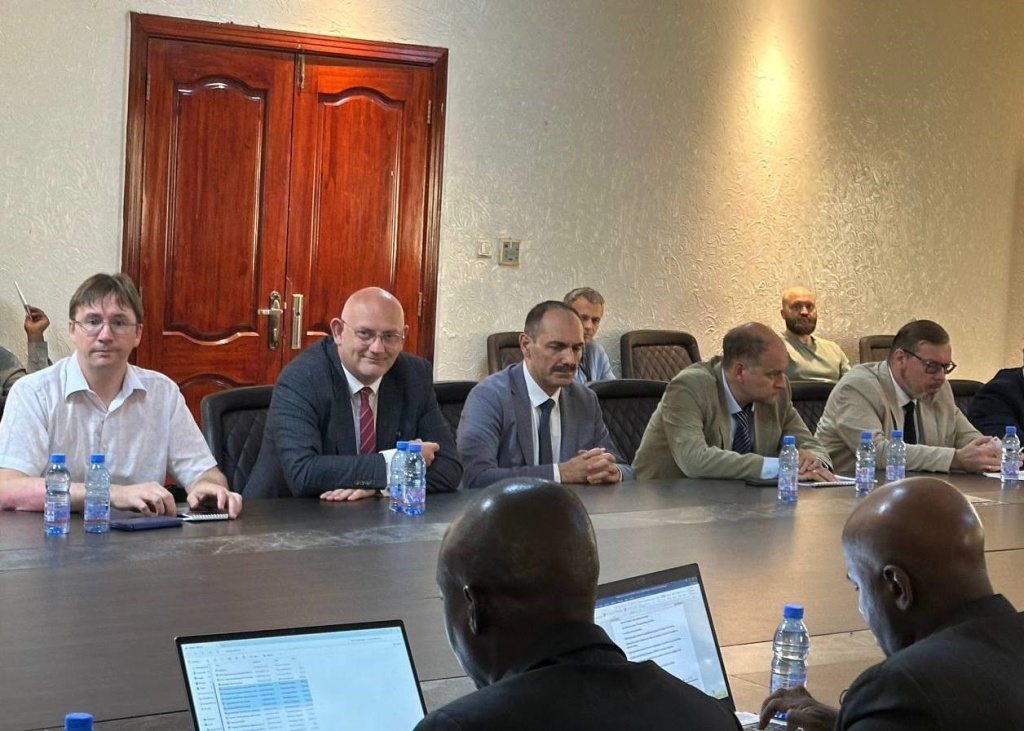
Meeting at the Russian Embassy in the Republic of Guinea
From 22 to 26 June 2025, a delegation from the Russian Ministry of Science and Higher Education, led by Stepan Sokolov, Deputy Director of the Department of International Cooperation, visited the Republics of Guinea and Mali to strengthen and expand scientific and educational collaboration. Over five days, the scientific mission—which included representatives from the ministry, diplomatic corps, and seven Russian Academy of Sciences (RAS) institutions (the Institute of Biology of the Southern Seas, Institute of Petrochemical Synthesis, Kabardino-Balkarian Scientific Centre, Institute of Ecology and Evolution, Institute of Organic Chemistry, Institute of General Physics, and Institute of Africa)—held a series of productive working meetings.
“The idea behind the Russian Scientific Mission is to showcase the capabilities of our institutes to African partners, establish direct institutional connections, and identify common ground for future joint research. Our primary and critically important task in Guinea is to strengthen our position and demonstrate Russia’s commitment to establishing the Russian-Guinean Tropical Centre. In Mali, the goal is to develop long-term scientific and educational cooperation. Mali could soon become another focal point for Russian scientific presence on the African continent,” reported Dr. Roman Gorbunov, Director of IBSS and Doctor of Geographical Sciences.
In Guinea, the official visit included a meeting at the Russian Embassy with Alexey Babenko, Chargé d’Affaires of Russia, as well as discussions with Fassiné Conté, Secretary-General of the Ministry of Higher Education, Scientific Research, and Innovation of Guinea, and Professor Selly Camara, Vice-President of the Guinean Academy of Sciences. The delegation also met with Professor Alfa Issaga Pallé Diallo, Director General of the Centre for Marine and Coastal Research of Guinea (CEREMAC-G) and a long-standing partner of IBSS.
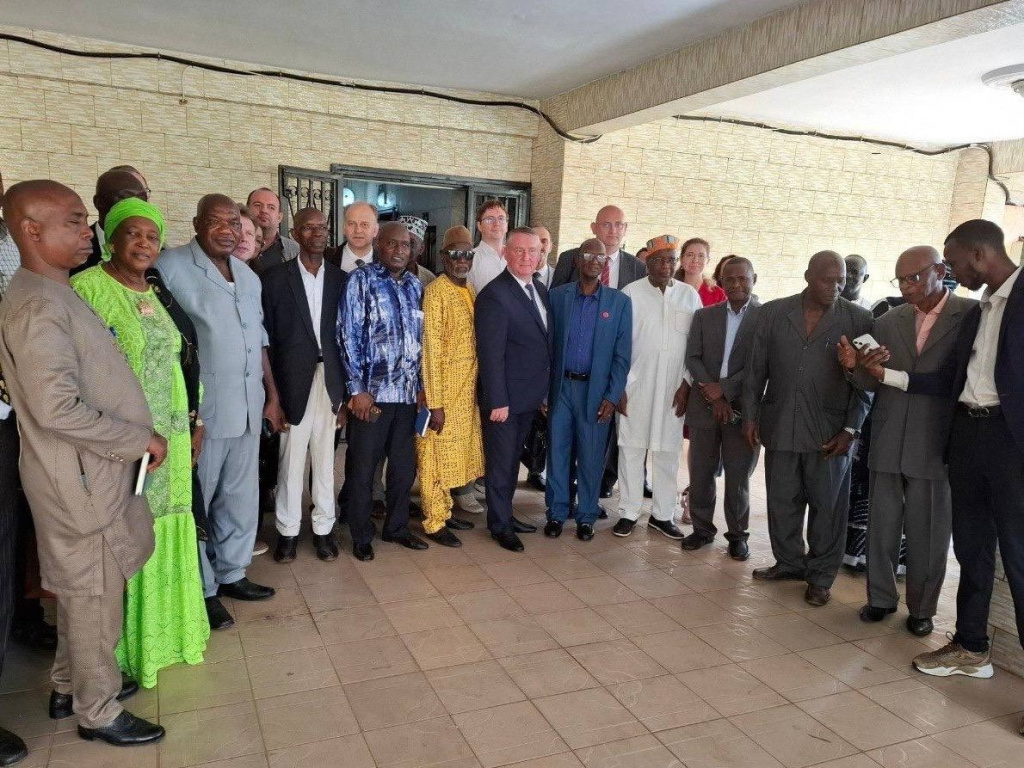
Meeting at the Guinean Academy of Sciences
During the visit to the Ministry of Higher Education, the heads of Russian research institutes delivered presentations on their institutions’ activities and proposed joint research initiatives in biology, ecology, agriculture, information technology, and even linguistics within the Republic of Guinea. Dr. Roman Gorbunov, Director of the A.O. Kovalevsky Institute of Biology of the Southern Seas, presented a research programme for CEREMAC-G focused on assessing the biodiversity of selected marine communities in coastal waters. He also discussed the implementation of an ongoing grant to identify sources of schistosomiasis infection in humans and the preparation of a collective monograph summarising a completed international project on developing a comprehensive methodology for assessing the ecological state of river basin ecosystems in tropical zones (using Guinea’s Fatal River as a case study). Russian and Guinean scientists plan to present the monograph at a conference at CEREMAC-G later this year.
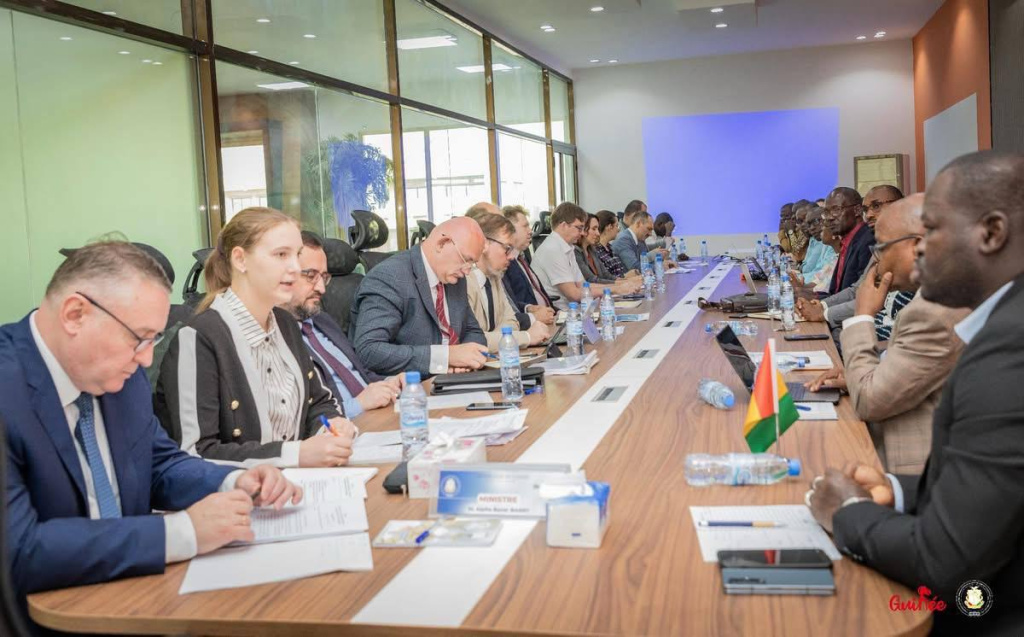
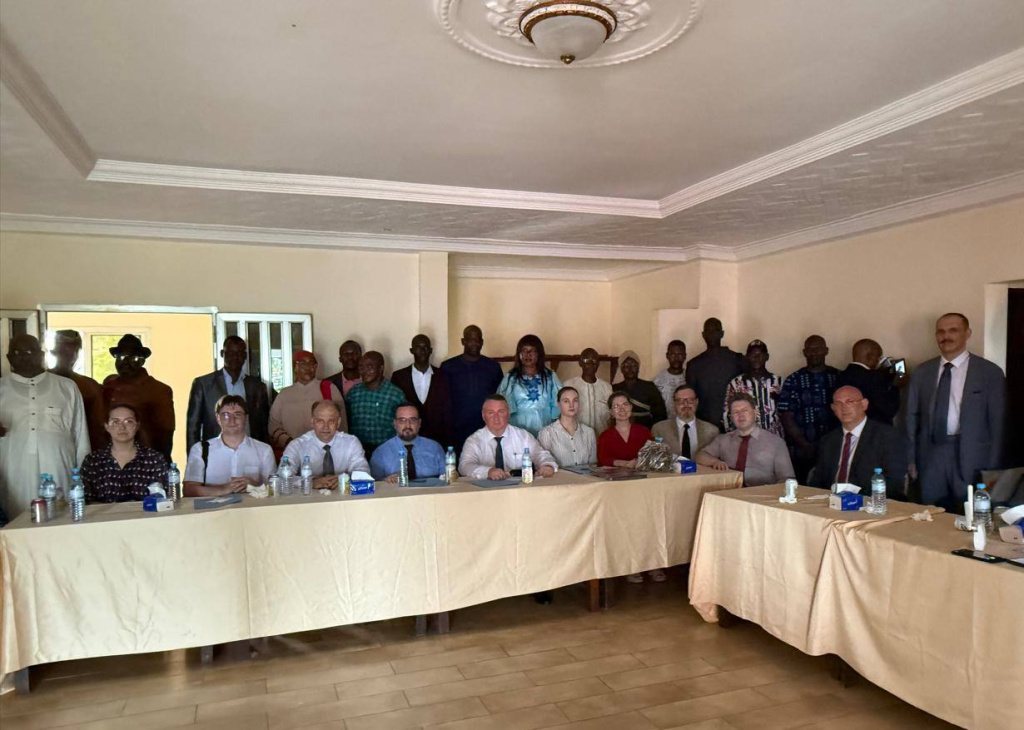
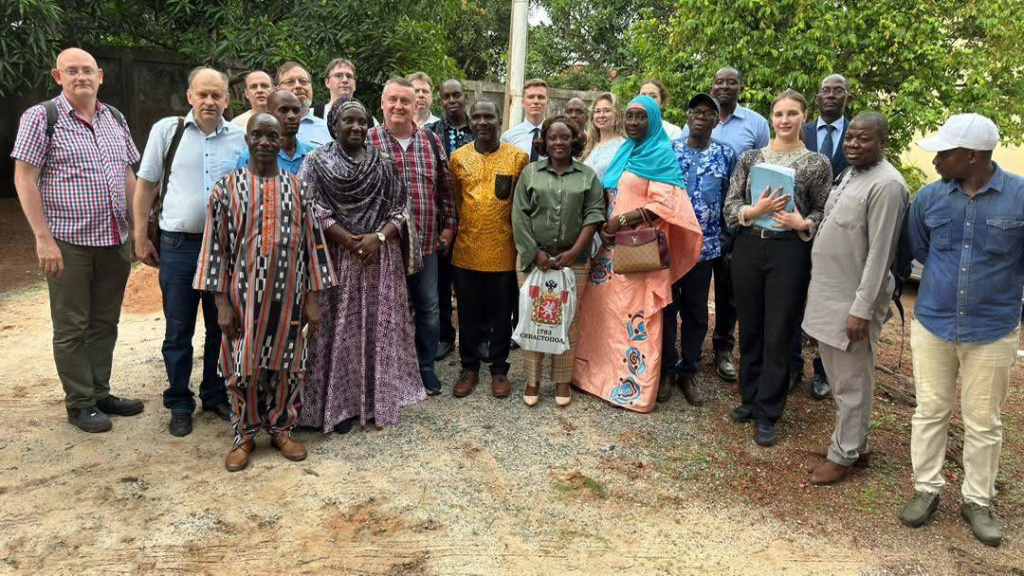
From left to right: negotiations at the Ministry of Higher Education of the Republic of Guinea; Guinea Marine and Coastal Research Center (CEREMAC-G); Institute for Research and Development of Medicinal and Edible Plants of Guinea (IRDMAG)
The Guinean programme of the Russian Scientific Mission also included visits to the Guinean Applied Biology Research Institute (IRBAG), the Institute for Research and Development of Medicinal and Edible Plants of Guinea (IRDMAG), and a tour of the newly renovated City of Science and Innovation (CSIG), which will soon become one of the largest scientific hubs in West Africa, housing several Guinean research institutes and providing facilities for Russian specialists.
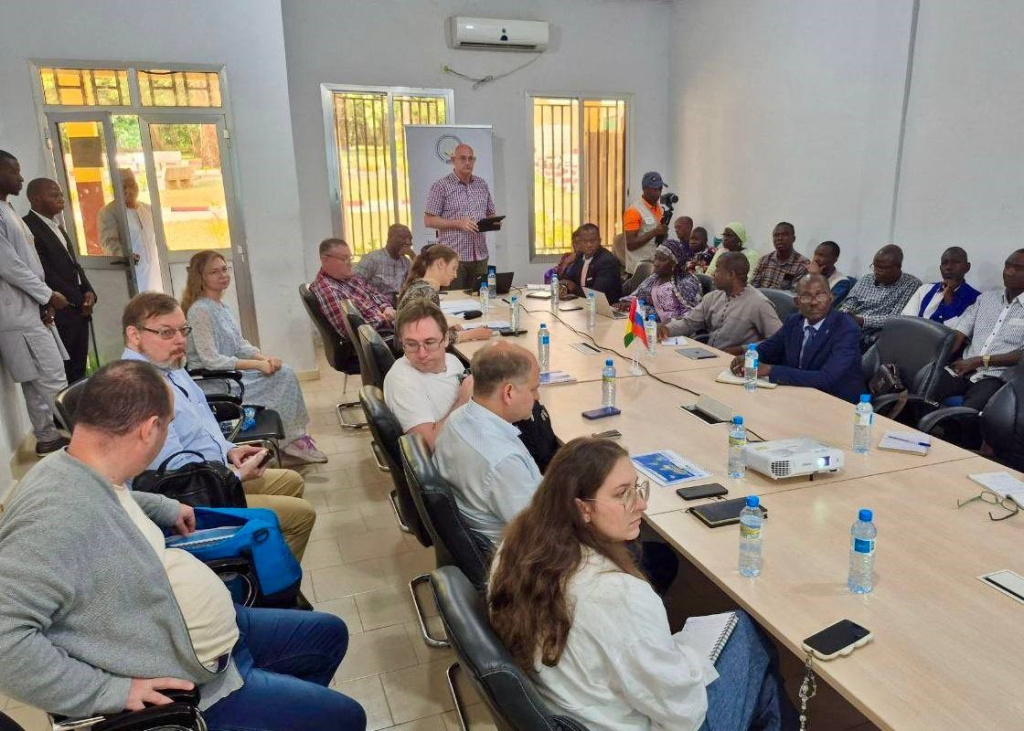
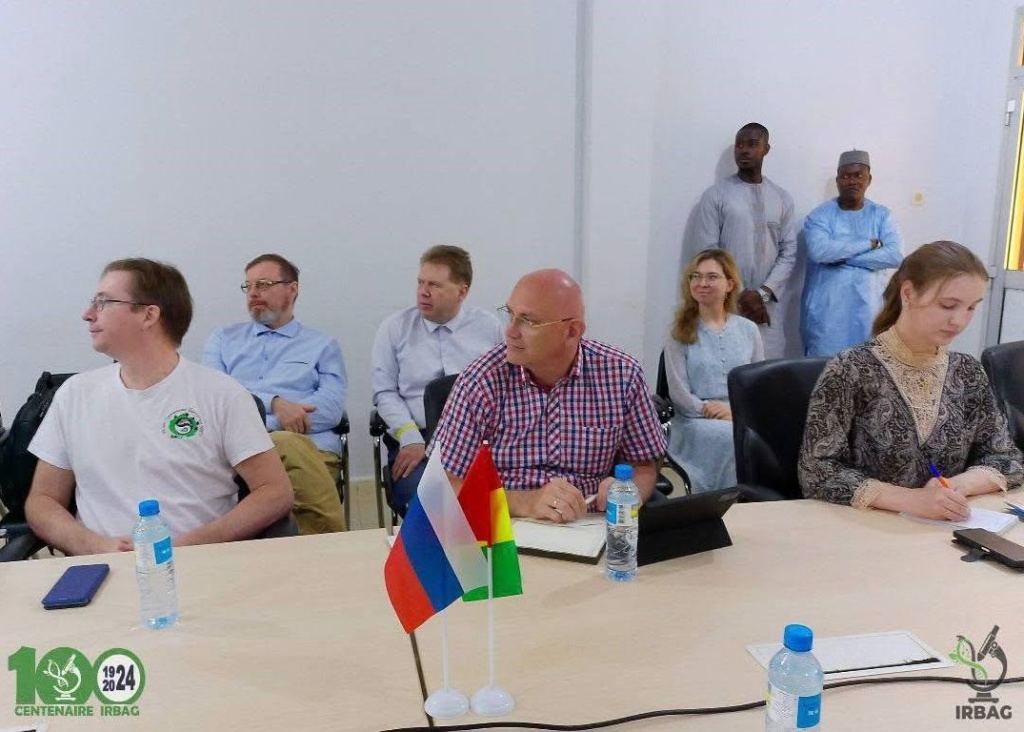
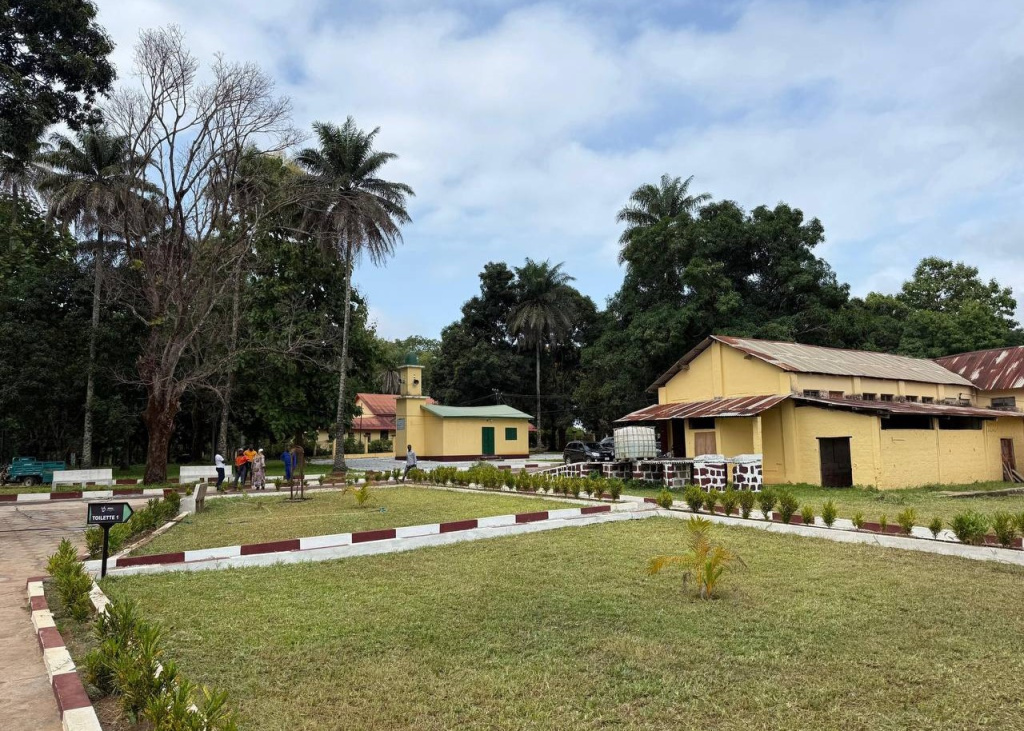
Guinean Applied Biology Research Institute (IRBAG)
“The City of Science and Innovation is an entire scientific cluster. We anticipate that the Russian component of the planned Russian-Guinean Tropical Centre will be located here. During the visit, we discussed proposals for establishing laboratories within the future centre, including conditions for housing scientific equipment for biological, chemical, and materials science research, as well as accommodations for our researchers during their visits to the African republic. We have already submitted our proposals to Guinea’s Ministry of Higher Education, Scientific Research, and Innovation. In turn, our Guinean colleagues have reaffirmed their commitment to the agreement on establishing the Tropical Centre, with the Institute of Biology of the Southern Seas actively involved in its design,” noted Roman Gorbunov.
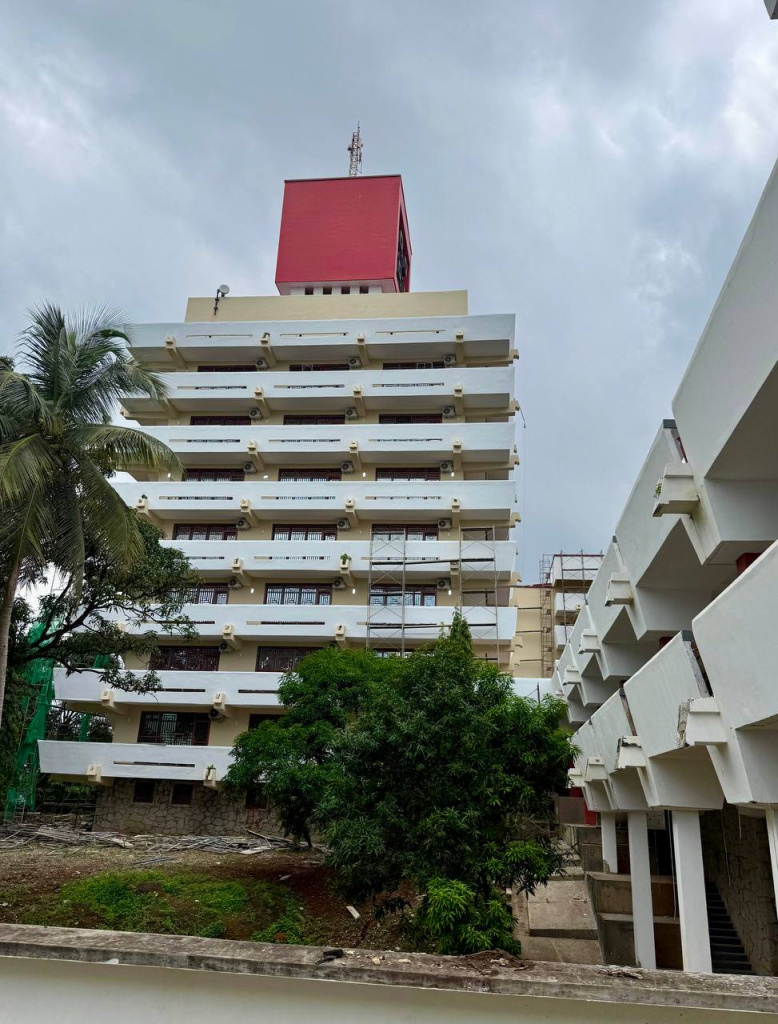
City of Science and Innovation (CSIG)
A significant bilateral meeting concluded the African visit in Bamako, at the Ministry of Higher Education and Scientific Research of the Republic of Mali (MESRS). In addition to Professor Moussa Tangara, Secretary-General of MESRS, and ministry staff, the discussions involved leaders from nearly 10 major Malian scientific and educational institutions. The event featured a constructive dialogue between representatives of the scientific communities of both countries, during which Russian scientists presented their institutes and capabilities, while also discussing key areas of research cooperation, academic exchange programmes, and the mutual recognition of diplomas agreed upon between Russia and Mali.
“Malian scientists expressed their interest in collaborating with us, particularly in critical ecological research related to the Niger River, which is heavily polluted and frequently floods settlements and agricultural lands. Given that specialists from the Institute of Biology of the Southern Seas have extensive experience in studying tropical river basins—for example, in Guinea and Vietnam—we are well-positioned to contribute to research on this issue in the Republic of Mali as well,” said Dr. Roman Gorbunov.
During their stay in Mali, the Russian delegation also visited the laboratories of the Faculty of Science and Technology at the University of Science, Techniques, and Technologies of Bamako (USTTB). Russian scientists highly praised the level of research conducted by Malian specialists in applied physics, optics, meteorology, irrigation, biomass studies, water, soil, and pesticide pollution.
The Russian Scientific Mission to Guinea and Mali continued a series of visits by the Russian Ministry of Science and Higher Education to Africa, which began in November 2024. At that time, the delegation—comprising representatives from the ministry, the Russian Academy of Sciences, and directors of IBSS, the Institute of Ecology and Evolution, and the Institute of Europe—was led by Konstantin Mogilevsky, Deputy Minister. Working meetings were held in Guinea, Mali, and Ethiopia.
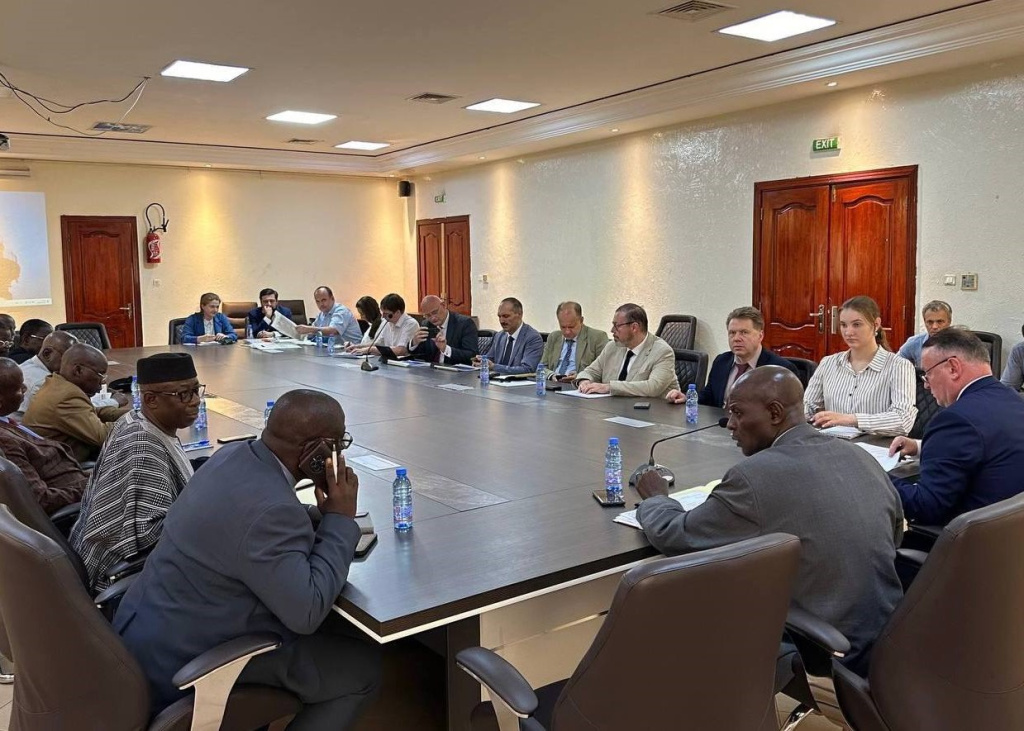
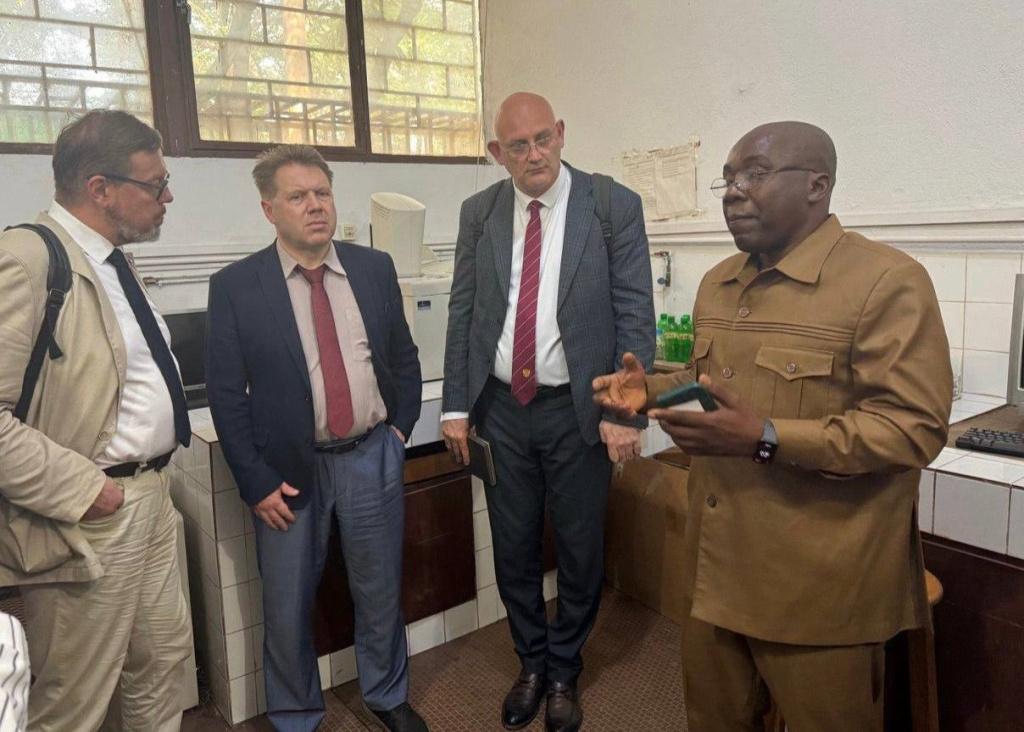
The work of the delegation in the Republic of Mali